
Level 1 sweep and inspection to the NFPA 211 annual standard - flue, crown, cap, and flashing checked and photographed
Chimney sweep logs do not sweep chimneys. They loosen some creosote - which then falls where a brush and vacuum still have to collect it.
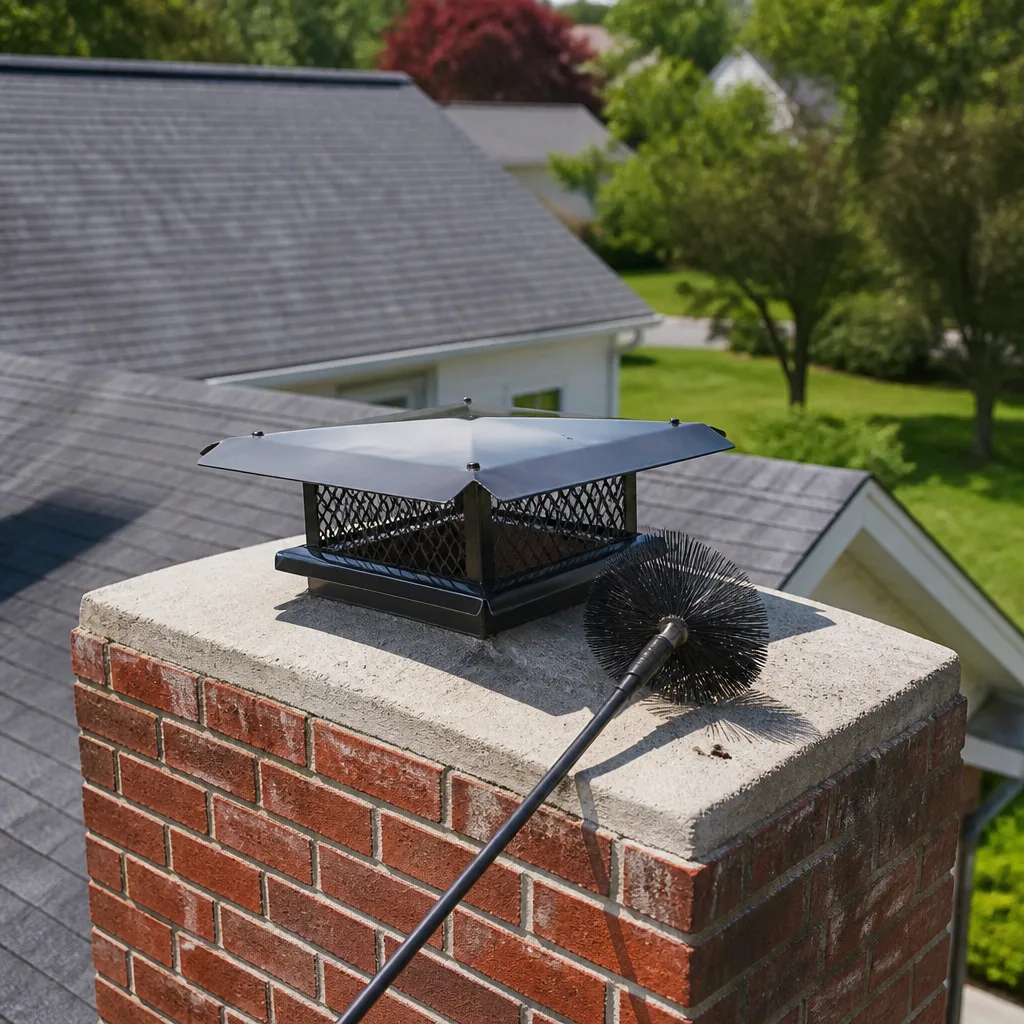
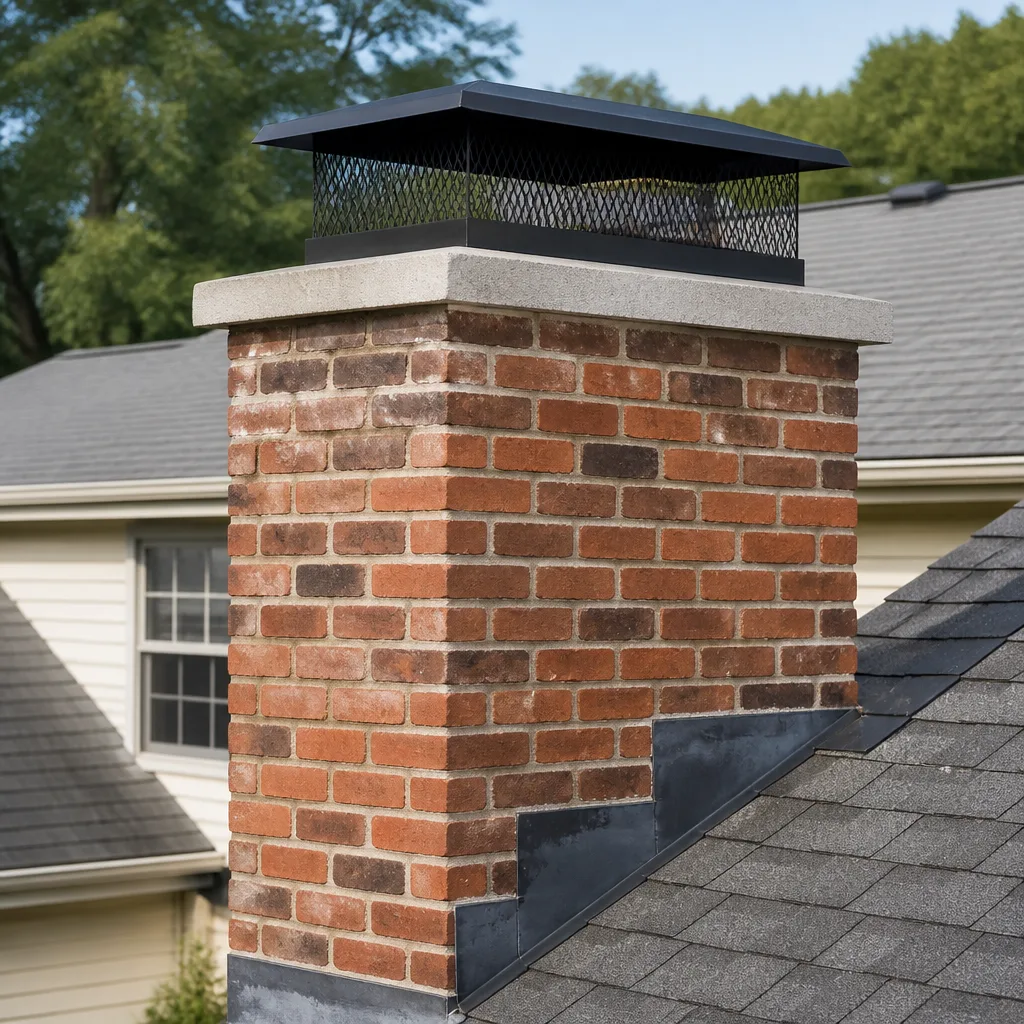
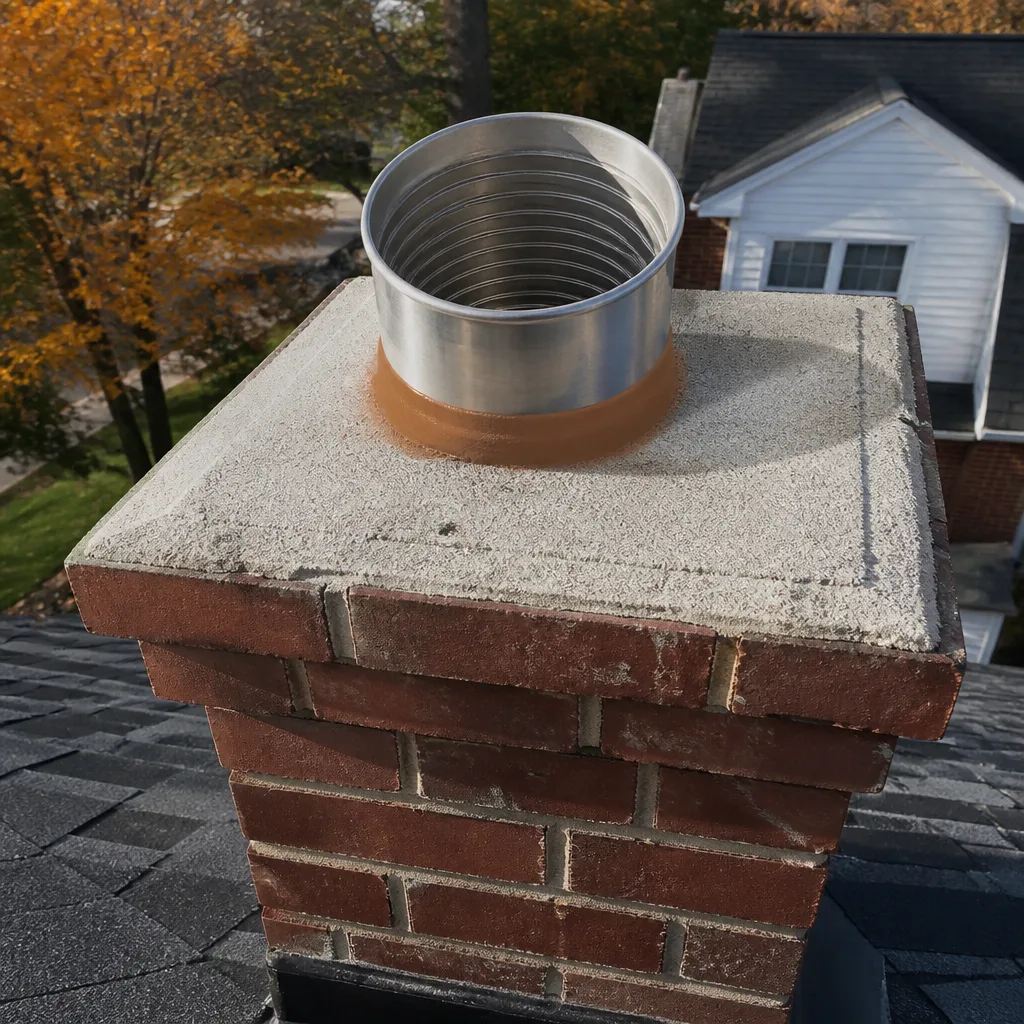
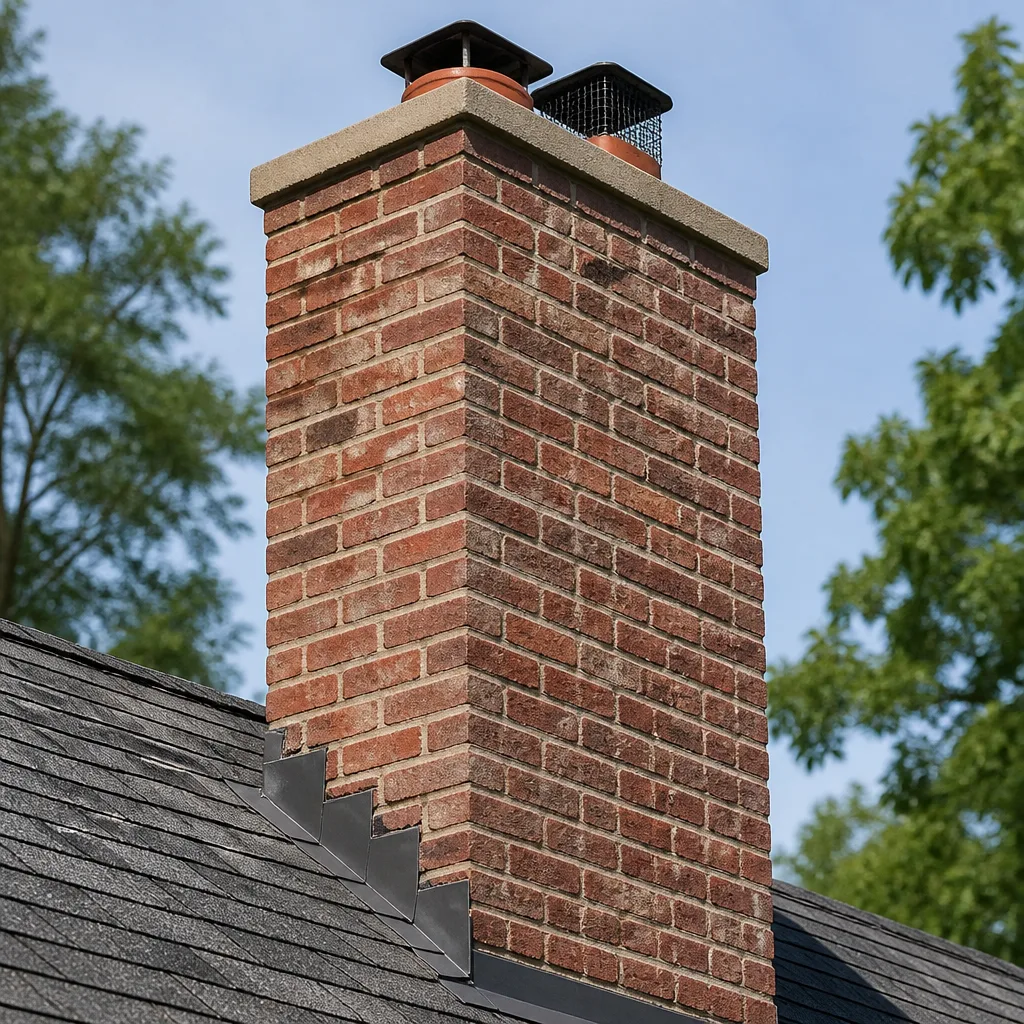
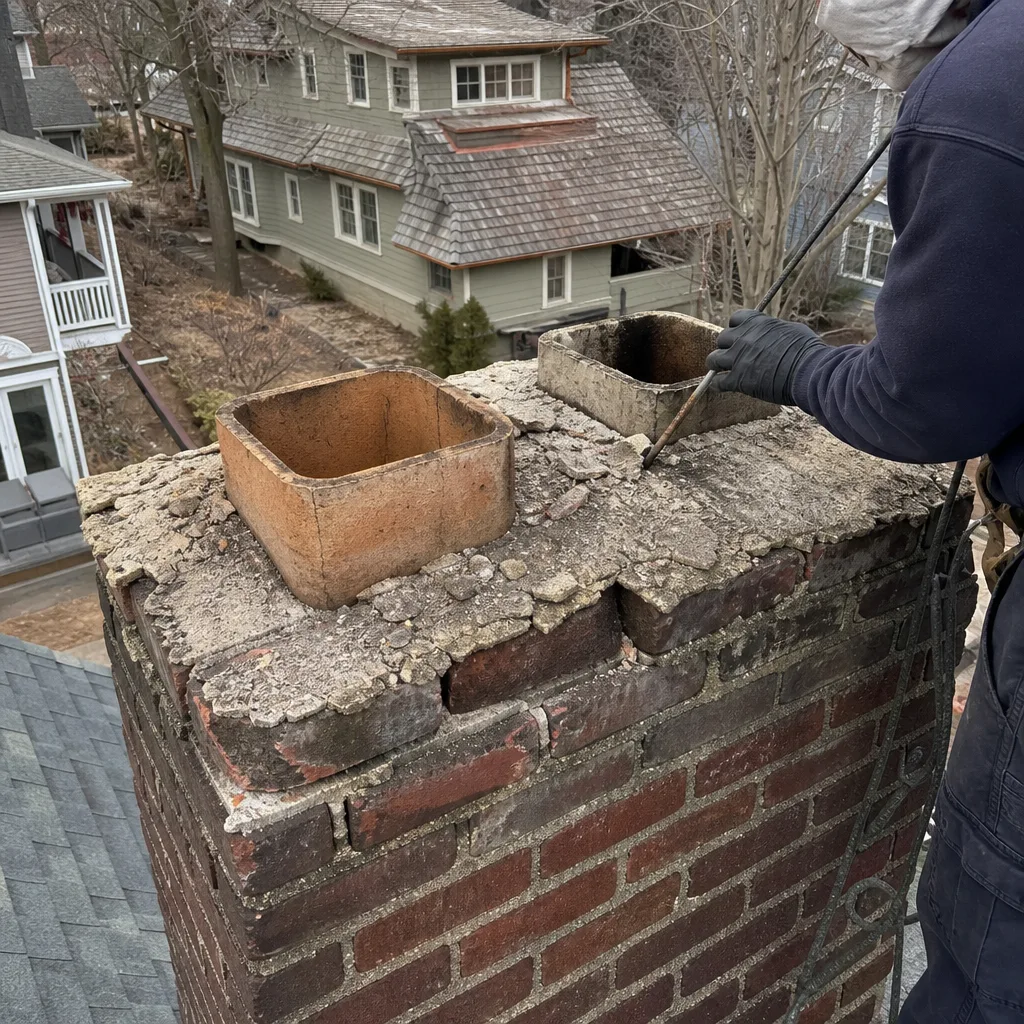 Before
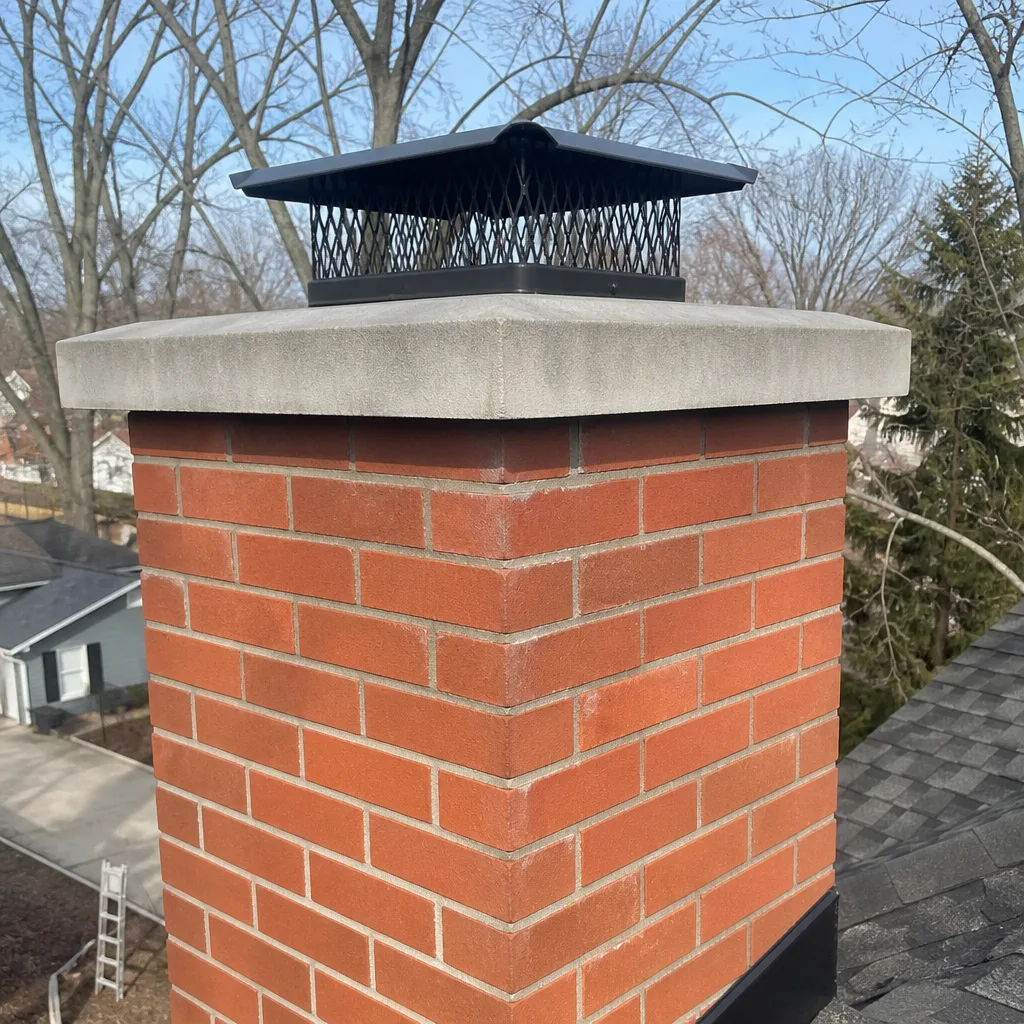 After
After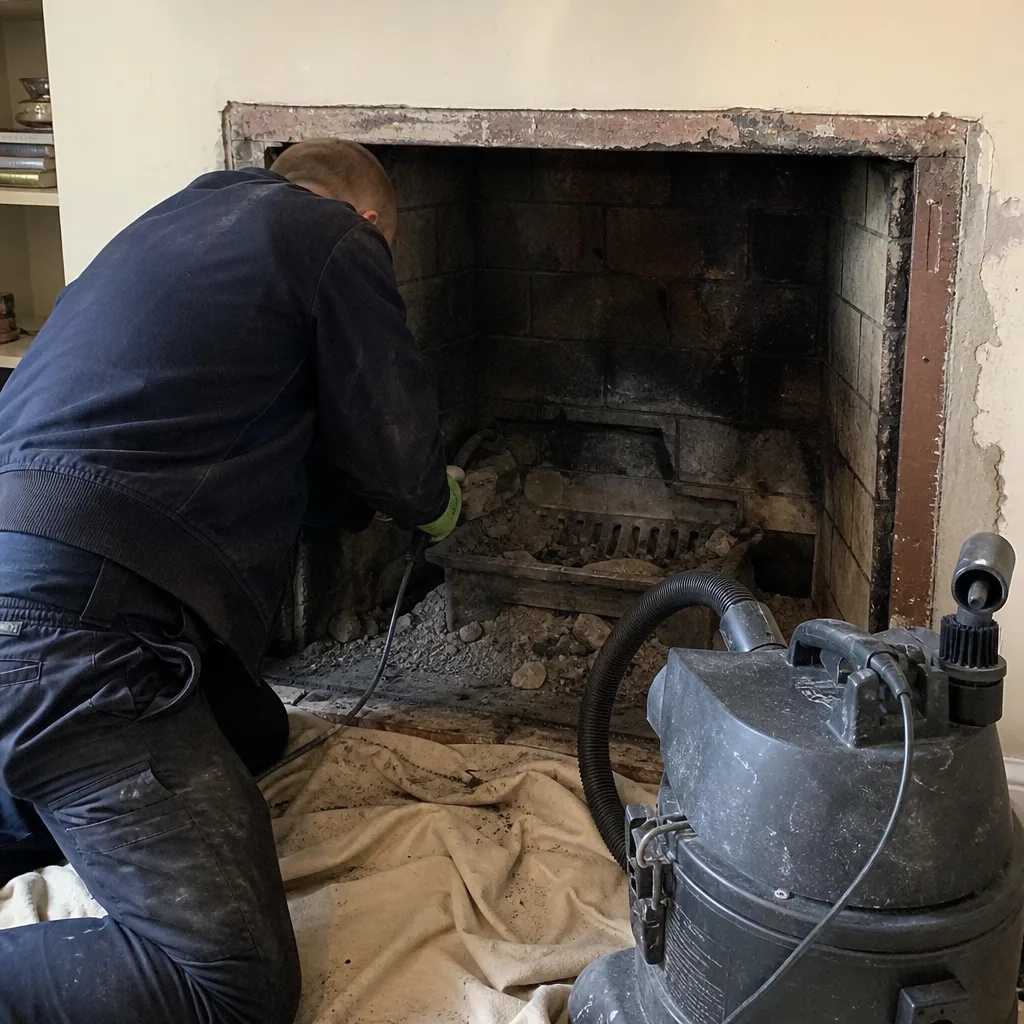 Before
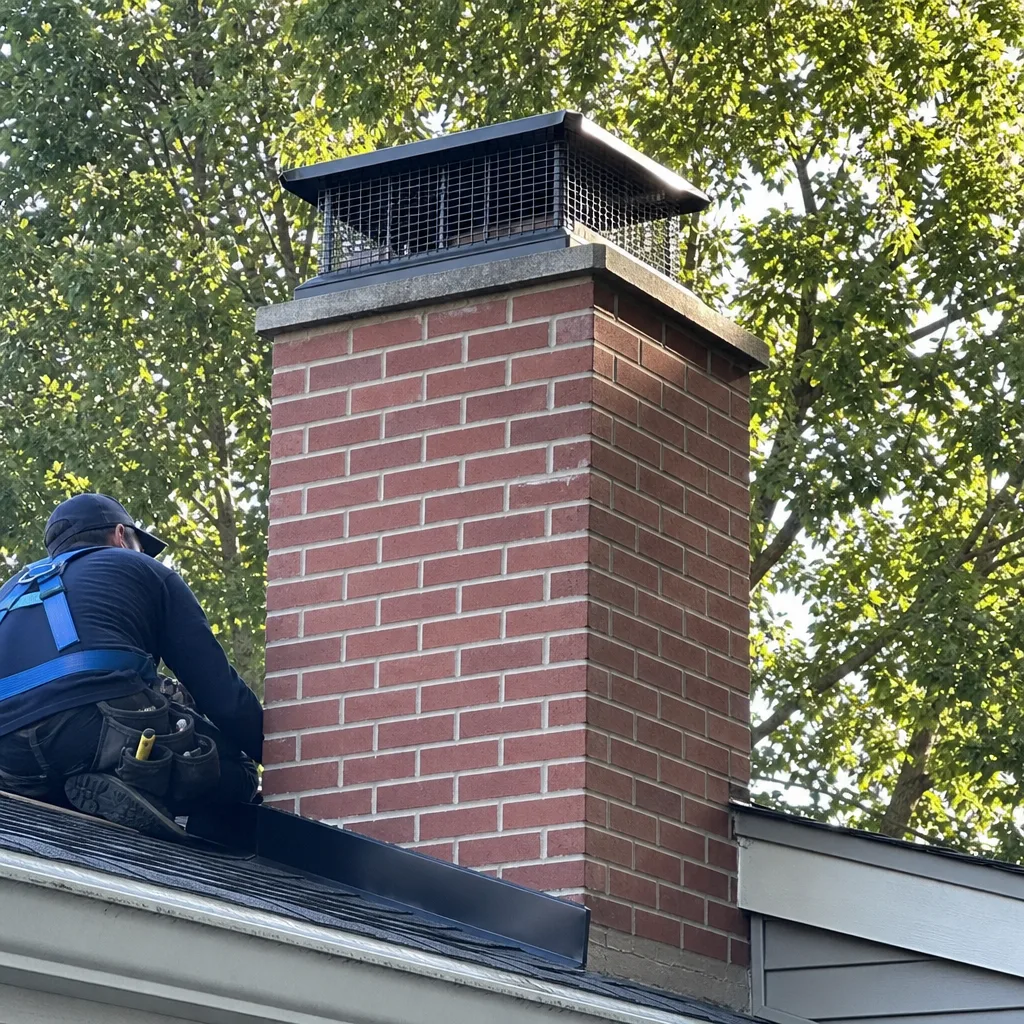 After
After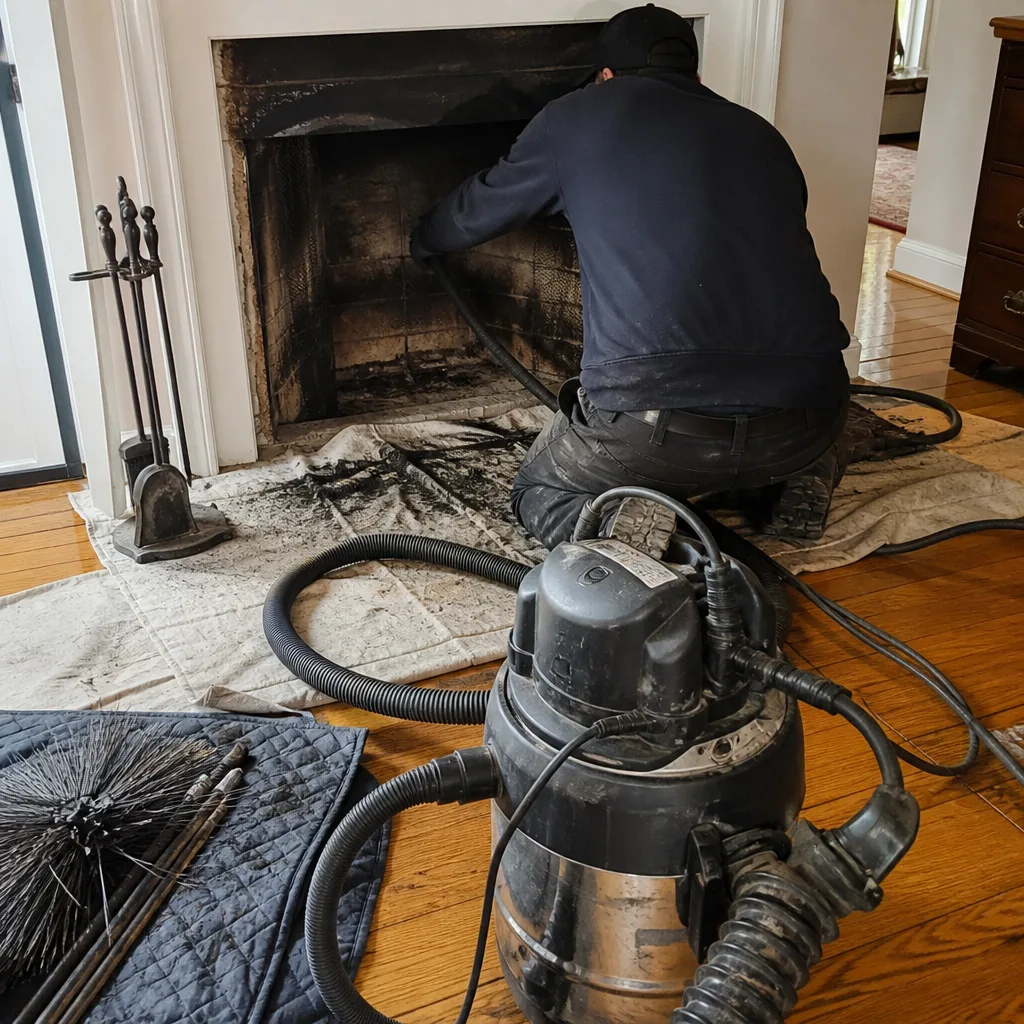 Before
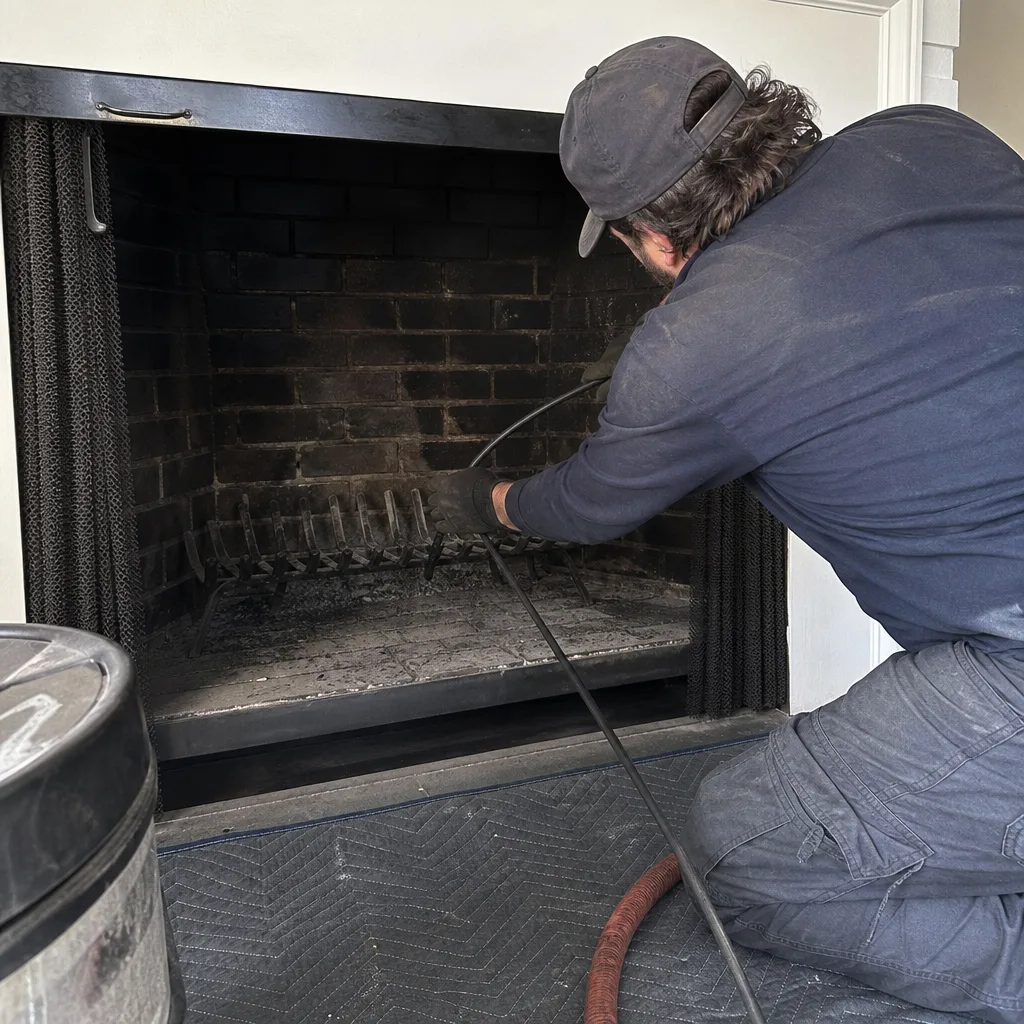 After
AfterCreosote Removal in Evanston, IL
Creosote removal in Evanston typically costs between $180 and $650, depending on how much has built up and which stage it has reached. Most jobs are completed in a single visit, and every one starts with a camera scan down the flue so you know exactly what you’re dealing with before any work begins.
If you use your fireplace regularly – or if you bought an older home in Evanston and aren’t sure when the fireplace was last cleaned – creosote is the problem most likely waiting for you. It’s a byproduct of burning wood, and it accumulates on the inside of your flue liner every time you have a fire. Left alone, it hardens, thickens, and eventually becomes the primary fuel source in a chimney fire. That’s not a risk worth carrying into a Chicago-area winter.
At Level Two Chimney Evanston, creosote removal is part of our core Chimney Cleaning & Sweep in Evanston work. Corrine Halstead built this operation on a straightforward rule: camera down the flue first, written price before anyone picks up a brush, documented photo record when the job is done. We’ve applied that process to more than 38,000 chimney inspections and cleanings since 2009. Call us at (708) 234-1174 and a live person will answer – not a voicemail, not a form.
What Creosote Actually Is – and Why Stage Matters
Creosote forms when wood smoke cools inside the flue before it fully exits. The combustion gases condense on the liner walls and leave behind a carbon-rich residue. How dangerous that residue becomes depends on how far it has progressed.
Class I (Stage 1): Loose, flaky soot. Brushes out cleanly. This is what you want to find – and what annual chimney cleaning prevents you from going past.
Class II (Stage 2): Tar-like, crunchy, or porous deposits. Harder to remove. Requires rotary cleaning tools and, in some cases, a chemical loosening agent applied before brushing. Still manageable in a single visit for most Evanston flues.
Class III (Stage 3): Glazed, shiny, hardened creosote – essentially carbonized fuel coating the interior of your liner. This is the stage associated with chimney fires. Standard brushing does almost nothing to it. Removal requires a dedicated chemical treatment protocol followed by mechanical cleaning, sometimes across multiple visits. In severe cases, liner damage has to be assessed and addressed before the fireplace can safely be used again.
In Evanston’s older housing stock – the Victorians and two-flats in the Lakeshore Historic District, the brick colonials along Sheridan Road, the bungalows west of Ridge Avenue – we find Class II and Class III deposits more often than most homeowners expect. Older chimneys tend to have narrower flues and rougher liner surfaces, both of which accelerate creosote accumulation. Cooler Chicago winters also mean people burn longer, hotter fires when they do use their fireplace, which pushes deposits into the upper stages faster.
When You Need Creosote Removal
- You smell something acrid or oily when the fireplace isn’t in use. A strong, tar-like smell drifting into a room is often Class II or Class III creosote off-gassing. In tight Evanston homes with original brick chimneys, this sometimes gets mistaken for a plumbing problem or old pipe smell.
- You can see dark, shiny residue when you shine a light up the flue. Glassy or reflective deposits visible from the firebox opening are a strong indicator of advanced-stage creosote. A camera inspection will confirm how far it extends.
- Your fireplace has never been cleaned since you moved in. If you bought a home in Evanston between 2015 and 2025 and don’t have a cleaning record in hand, assume it needs evaluation. Sellers aren’t required to disclose chimney condition in Illinois.
- You had a chimney fire – even a small one. A rumbling sound from the firebox, a strong smell, or a sudden increase in draft intensity are signs a chimney fire may have occurred. Class III creosote can combust at temperatures above 1,000°F, and even a brief fire can crack a liner. If you suspect this happened, don’t use the fireplace again until a Level 2 camera inspection has cleared it.
- You burn more than two cords of wood per season. Heavy use without annual cleaning is the fastest path to Class II and III deposits, particularly when burning green or mixed wood – common in Chicago’s northwest suburbs where firewood sourcing is inconsistent.
- Your last cleaning used a basic sweep without a camera scan. A flashlight inspection doesn’t tell you what’s happening six feet up the flue. If you weren’t shown camera footage or given a written condition report, you don’t have a real baseline.
 Before
 After
AfterOur Creosote Removal Process
- Camera scan before anything else. We run a camera down the full length of the flue and record what we see. This tells us the creosote stage, liner condition, any cracks or offsets, and exactly where deposits are heaviest. You see the footage. We don’t diagnose from memory or from a flashlight look.
- Written price before work starts. Once we know what we’re dealing with, we give you a written scope and a fixed price. Haven Standard Clause 1 – what we call H.A.V.E.N. “Have it in writing” – means that number doesn’t change after you say yes, and the tech doesn’t start until you’ve signed off. No one is going to tell you about surprise charges from the firebox.
- Firebox and furniture protection. We lay drop cloths, seal the firebox opening with a work cover, and set up a HEPA-filtered vacuum system before cleaning begins. Evanston homes are often tightly furnished and historically finished – we work accordingly.
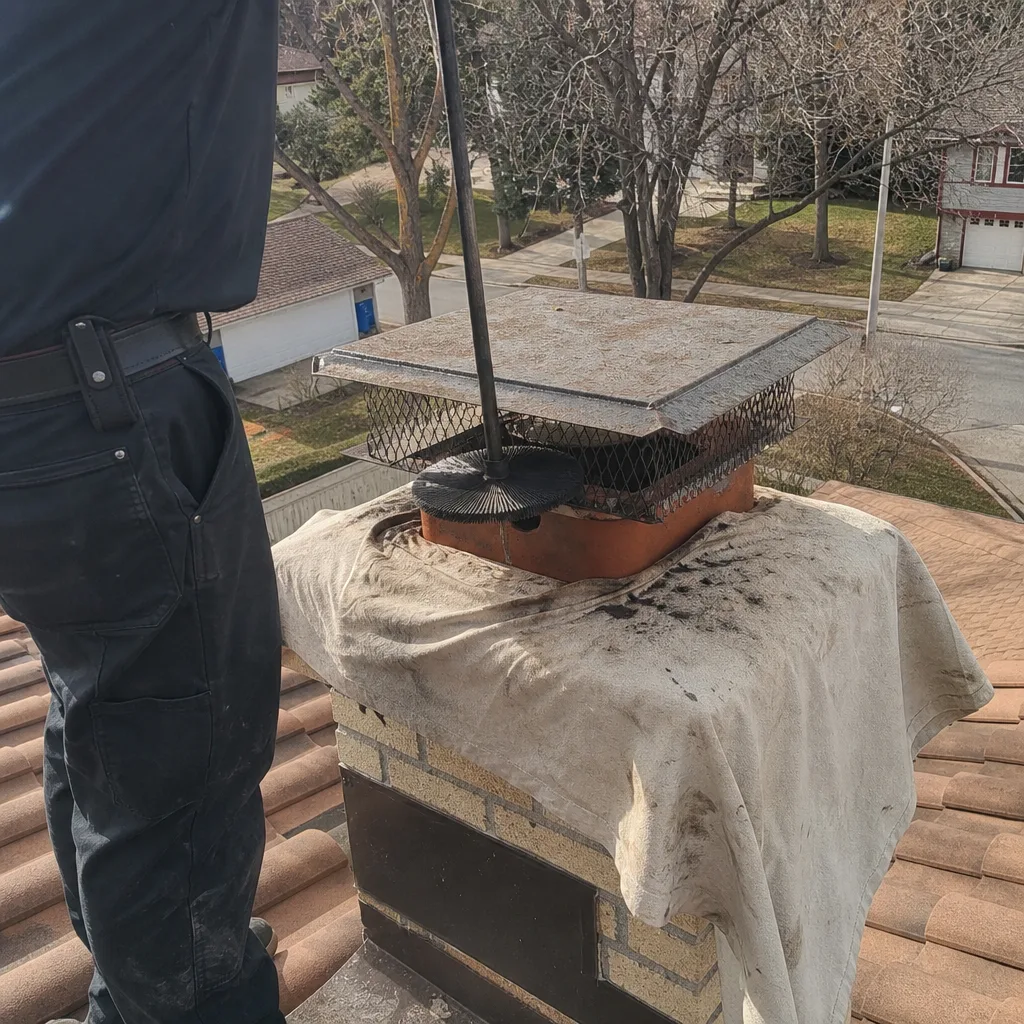
- Mechanical cleaning, chemical treatment where needed. For Class I deposits, rotary brushes and a professional vacuum are enough. Class II deposits require heavier-duty rotary equipment and sometimes a liquid loosening agent applied and allowed to penetrate before brushing. Class III glazed creosote gets a dedicated chemical treatment – typically applied in one visit, then fully removed and inspected on a follow-up. We don’t skip steps to close a job faster.
- Post-cleaning camera verification. After cleaning, the camera goes back down. We confirm deposits are cleared to the liner wall, note any damage the cleaning revealed, and document the final condition. If we find cracks or liner damage that were hidden under heavy creosote buildup, we show you that footage and explain what it means before suggesting a next step.
- Written documentation on the way out. Haven Standard Clause 4 requires a photo record on every job – not as an add-on, not on request. You get a written record of what was found, what was done, and the condition of the flue at completion. That documentation is useful for your insurance carrier, for a future home sale, and for your own records.
Creosote Removal Pricing in Evanston
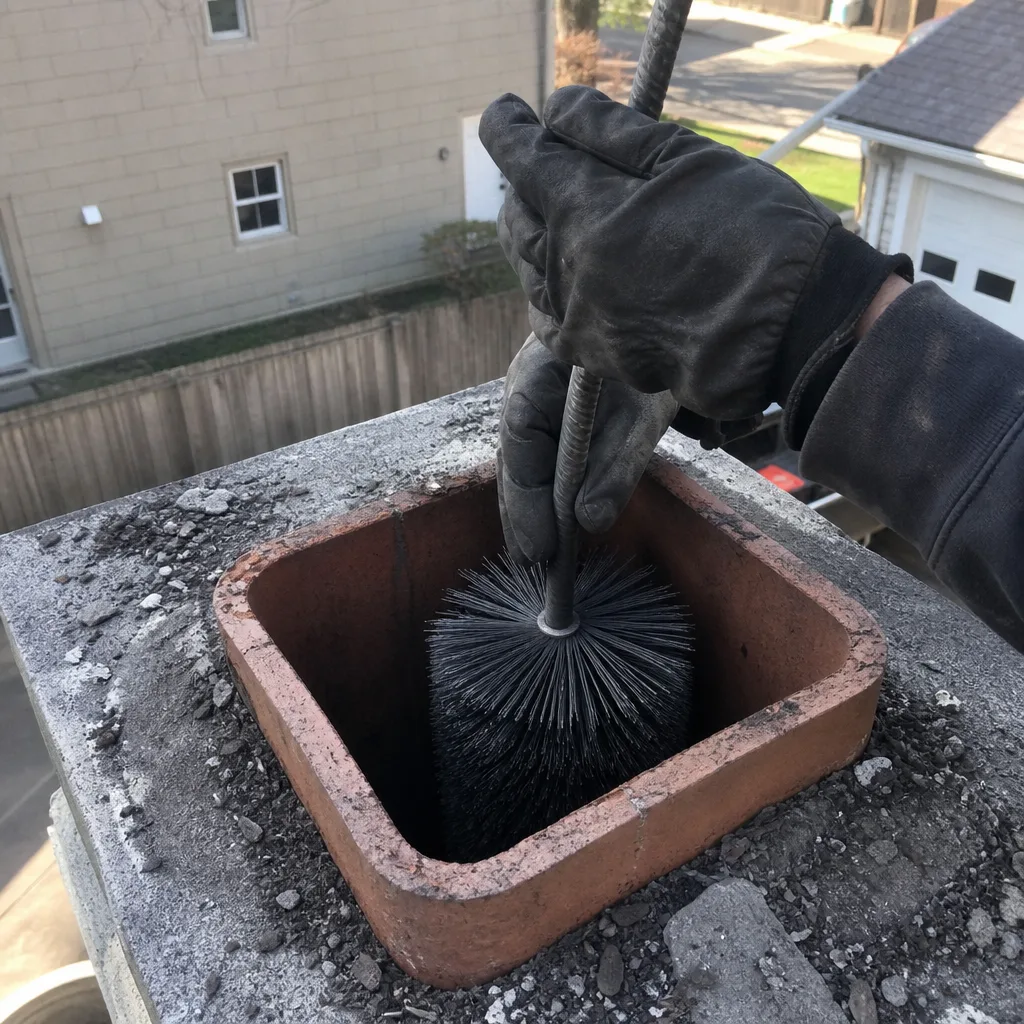
Creosote removal in Evanston runs $180 to $650 for most residential jobs. The range is wide because the cost depends almost entirely on creosote stage and flue length – two factors we can only confirm after a camera scan. Here’s how it typically breaks down:
| Creosote Stage | Typical Cost Range | Notes |
|---|---|---|
| Class I (standard sweep) | $180 – $280 | Loose deposits, single visit, included in annual sweep pricing |
| Class II (heavy/porous deposits) | $250 – $420 | Rotary tools, possible chemical loosener, single visit for most flues |
| Class III (glazed creosote) | $380 – $650+ | Chemical treatment + mechanical removal; may require two visits; liner inspection included |
A few things affect where your job falls in those ranges: flue height (taller chimneys in Evanston’s three-story Victorians take more time and materials), the number of bends or offsets in the liner, and whether any liner damage found during the scan needs to be addressed before cleaning can be completed safely.
The camera scan that starts every visit is what makes those numbers meaningful. Without it, any quote you receive is a guess. If you’ve received a written estimate from another company and want a second opinion, bring it to us – we offer a free second opinion on any written estimate, no strings attached.
There is no “call for a quote” here. When we know what your flue looks like, we give you the number in writing. Call (708) 234-1174 to schedule the scan and get your written estimate.
Why Evanston Chimneys Accumulate Creosote Faster Than Average
Evanston’s housing stock is among the oldest in the Chicago metro. A large share of the single-family homes north of Main Street and east of the CTA Purple Line were built between 1890 and 1940. Those chimneys were designed for coal or wood heat as a primary source, not a supplemental fireplace used a few times a season. The original flue sizing and liner materials – often unlined or clay-tile lined – were never updated to match modern burning habits.
Clay tile liners, common in Evanston homes, have a rougher surface than stainless steel or cast-in-place liners. That texture gives creosote more to grip and accelerates buildup between cleanings. When we find a clay tile liner coated in Class II deposits, we always check tile integrity under the creosote – cracks and gaps are frequently hidden by the buildup itself, and they become visible only after cleaning. That’s one reason the post-cleaning camera pass is not optional.
Lake Michigan’s weather patterns also matter. Cold air coming off the lake drops flue temperatures faster than in inland suburbs, which means smoke cools and condenses earlier in its path up the chimney. Homeowners who open a damper all the way to compensate – creating a fast, roaring draw – sometimes end up with the opposite problem: incomplete combustion at the fire, more unburned particles, more creosote. The relationship between draft, burn temperature, and creosote rate is something we can walk you through after we’ve seen your specific setup.
FAQs – Creosote Removal in Evanston
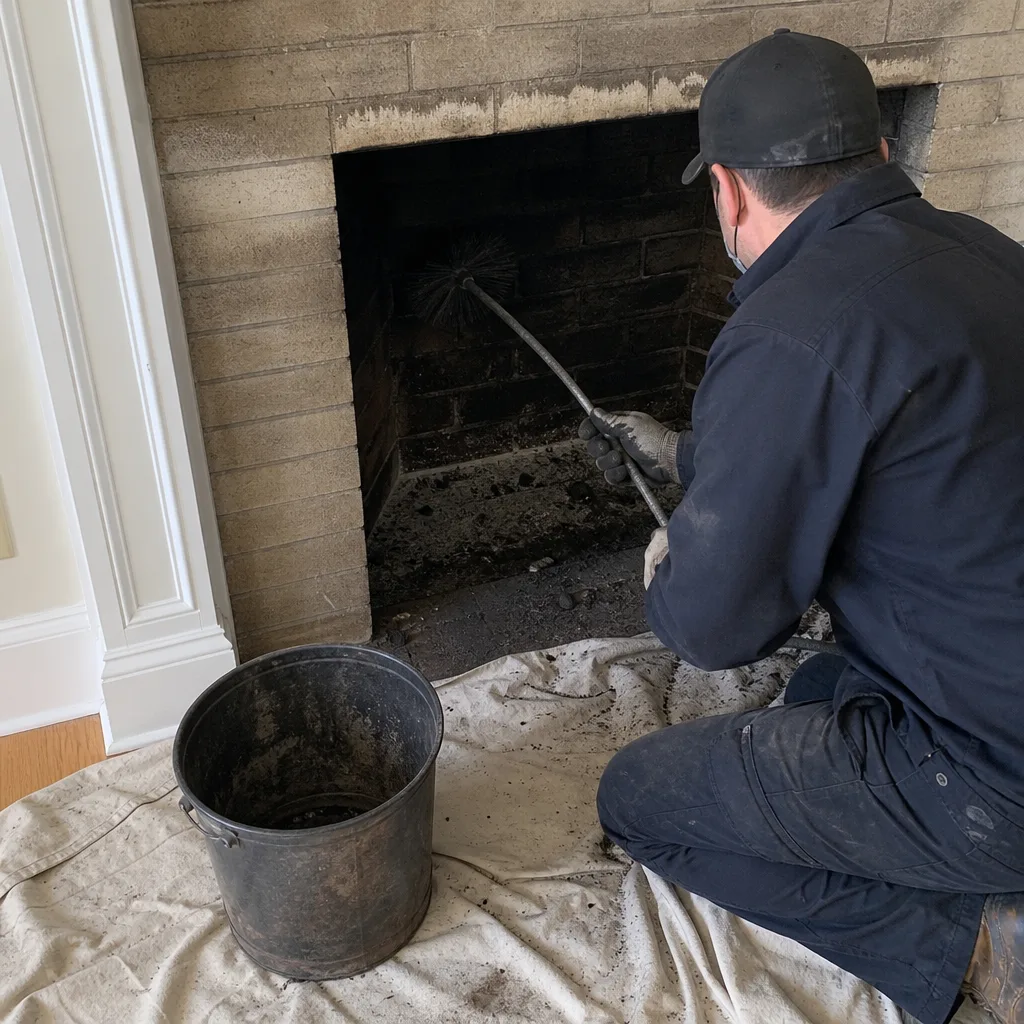
How much does creosote removal cost in Evanston?
Creosote removal in Evanston costs between $180 and $650 for most residential jobs, with the exact price determined by the creosote stage found during the camera scan. Class I deposits fall toward the lower end and are often cleared during a standard annual sweep. Class III glazed creosote – the most serious stage – requires chemical treatment and can run toward the upper end, sometimes requiring a follow-up visit to confirm full removal. We give you the written price before anyone starts work, so you’re not guessing. Call (708) 234-1174 and we’ll schedule the scan and give you a firm number.
Is creosote removal dangerous – should I hire a professional?
Yes, you should hire a trained professional, particularly for Class II or Class III deposits. Class III glazed creosote is essentially a fuel layer coating the inside of your flue. Attempting to remove it without the right chemical treatment and equipment can dislodge chunks that block the flue or create fire conditions. Working at flue height inside an old chimney also carries real fall and exposure risks. A camera scan, proper chemical protocol, HEPA containment, and post-cleaning verification are not steps you can replicate with hardware-store products. This is one of those jobs where skipping a professional is a meaningful safety decision, not just an inconvenience.
How do I know what stage of creosote I have before calling?
You can get a rough idea by shining a flashlight up from the firebox opening. Loose, gray-black flaking suggests Class I. Dark, hard, or crunchy deposits suggest Class II. A shiny, glassy surface that reflects the light is a strong sign of Class III. That said, the visible portion of the flue is only a few feet – deposits higher up can be in a different stage than what you see at the bottom. A camera scan is the only way to know what’s actually happening the full length of the liner, and it’s included in every Level 2 Inspection visit.
How often does creosote need to be removed in Evanston?
The National Fire Protection Association (NFPA 211) recommends a Level 1 Inspection and cleaning at least once a year for any chimney that sees regular use. In Evanston, where older clay tile liners and Lake Michigan-influenced flue temperatures accelerate buildup, annual cleaning keeps deposits at Class I – which is fast and inexpensive to clear. Skipping a year or two is how Class I becomes Class III. If you’re burning wood three or more times a week during the heating season, twice-yearly cleaning is a reasonable interval. We document the condition at every visit, so you’ll have a clear record of how quickly your specific flue accumulates deposits.
What Happens If Creosote Is Found During a Routine Sweep
Most Evanston homeowners who call for a standard chimney cleaning find out about their creosote problem during the visit – not before it. That’s normal. You book what looks like a routine sweep, the camera goes down, and we find Class II deposits that a basic cleaning won’t clear.
When that happens, here’s exactly what we do: we show you the camera footage on the spot, explain what stage we’re looking at and what it means, give you a written price for the additional work, and wait for your approval before doing anything. You are never charged for work you didn’t agree to. If the additional scope is more than you want to address that day, we document what we found and you leave with a written record of the condition. No pressure, no urgency theater.
That’s Haven Standard Clause 1 in practice. The camera footage is yours. The written scope is yours. The decision is yours.
If we find liner damage under the creosote – cracked tile, open joints, deteriorated mortar – we document it the same way. Whether that leads to a HeatShield repair, a new DuraFlex liner, or a conversation with your insurance carrier, you’ll have the photo record and the written assessment to support whatever comes next. That documentation has been a standard part of every Level Two Chimney visit since 2009, and it’s backed by the 365-Day Done Right Promise: if the work isn’t right, we make it right.
Corrine Halstead runs the operation that way because it’s the only way the numbers make long-term sense: a customer who gets a straight answer and a written record comes back. One who feels upsold doesn’t.
Schedule Creosote Removal in Evanston
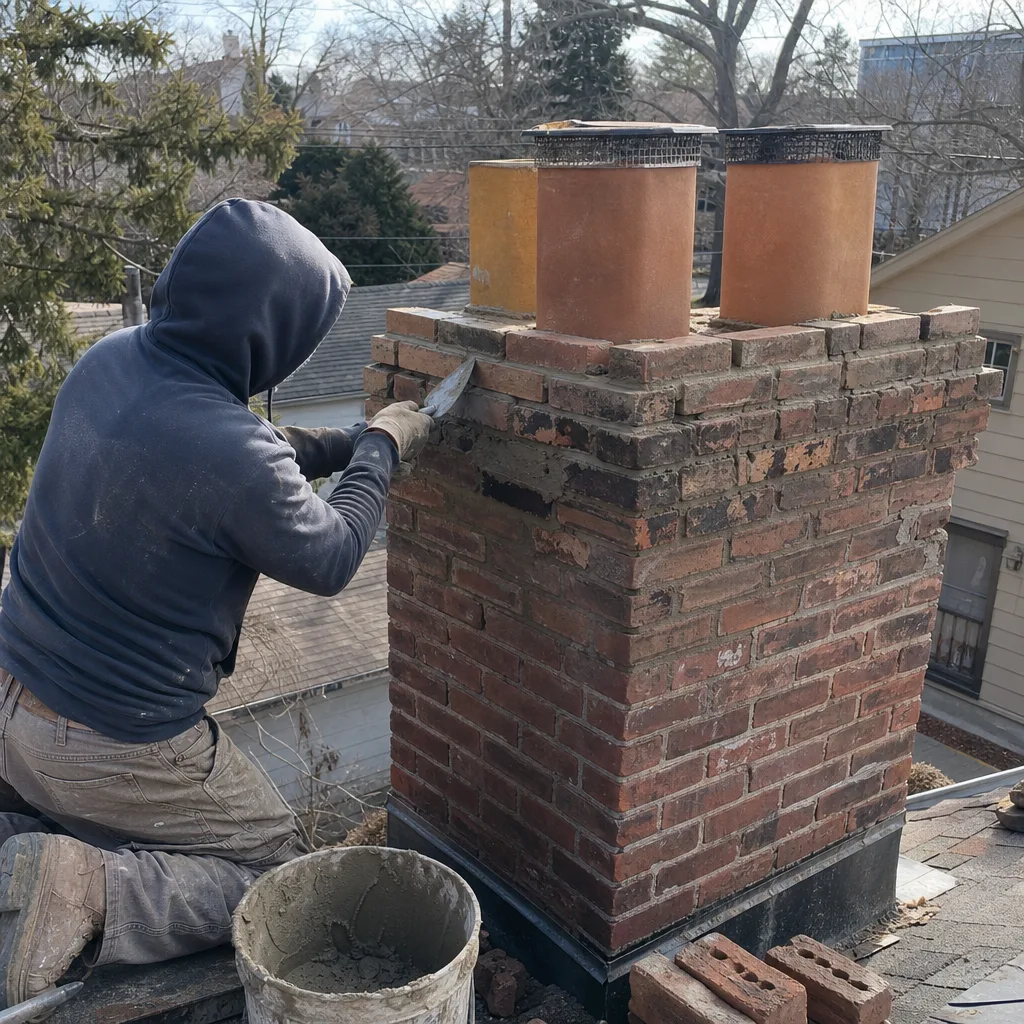
If you’re in Evanston and your fireplace hasn’t been cleaned this season – or if you bought your home and don’t have a cleaning record – call (708) 234-1174. A live person will answer, we’ll find a time that works, and the visit starts with a camera scan and a written price before any work begins. Estimates are free. The 365-Day Done Right Promise covers the work when it’s done. You’ll leave with a photo record and a written report regardless of what we find.
You can also learn more about our full scope of annual maintenance on our home page, or read through the complete service offering on the Chimney Cleaning & Sweep in Evanston page.
Written by Corrine Halstead, Owner at Level Two Chimney Evanston, serving Evanston.