
Last updated September 22, 2026
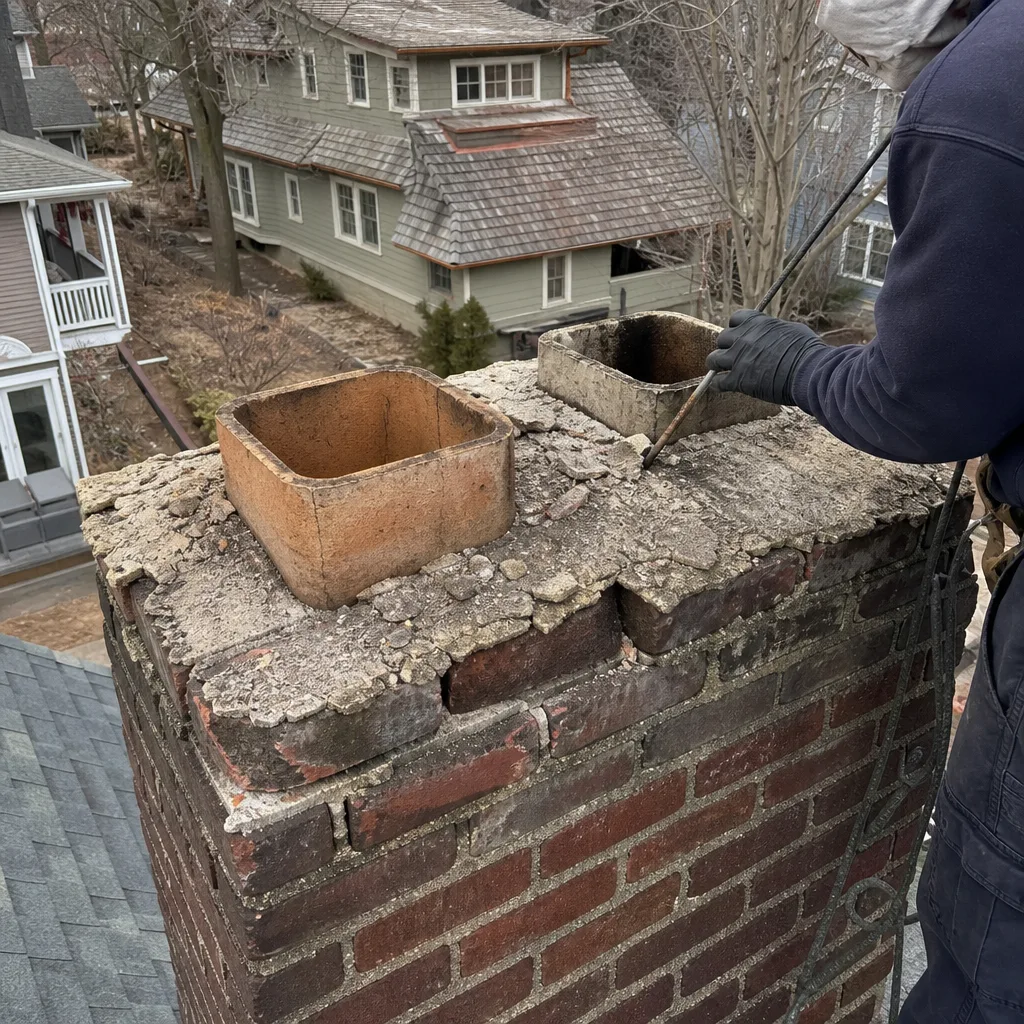
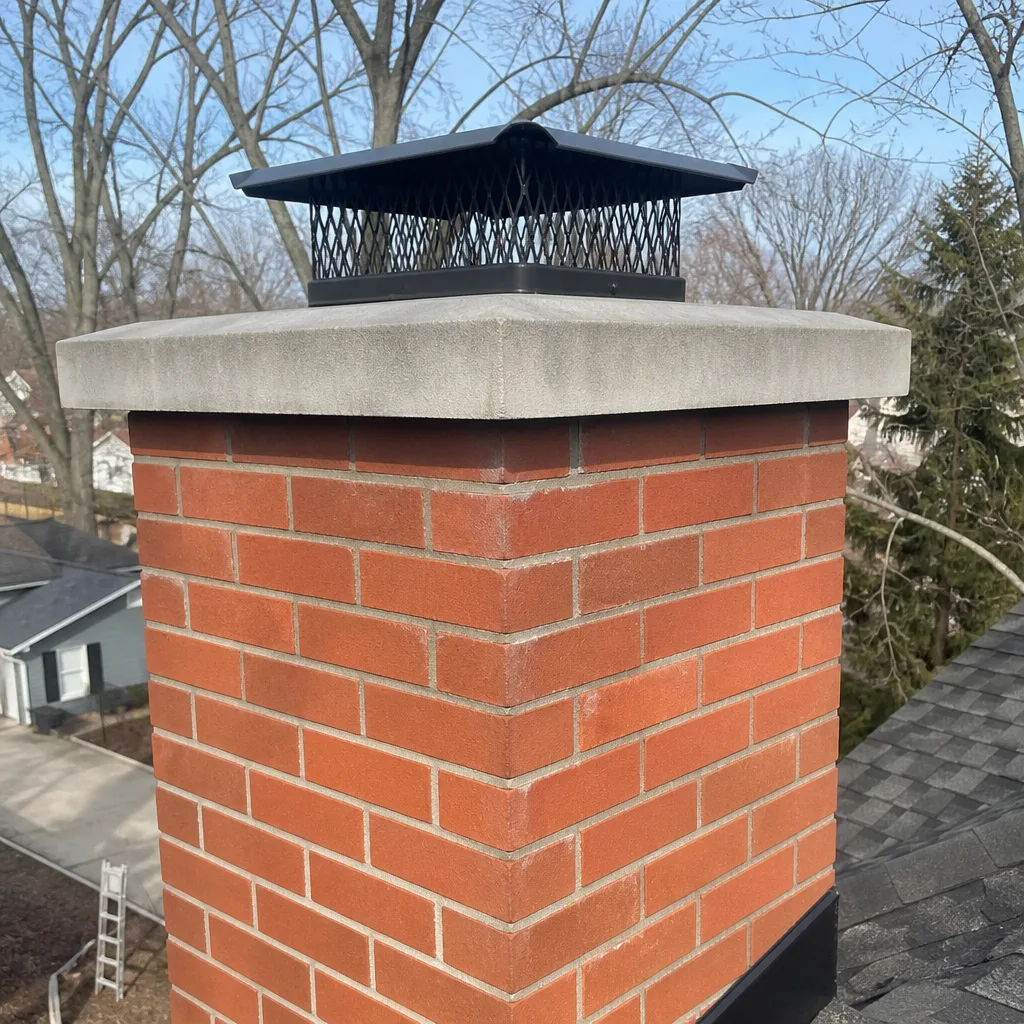
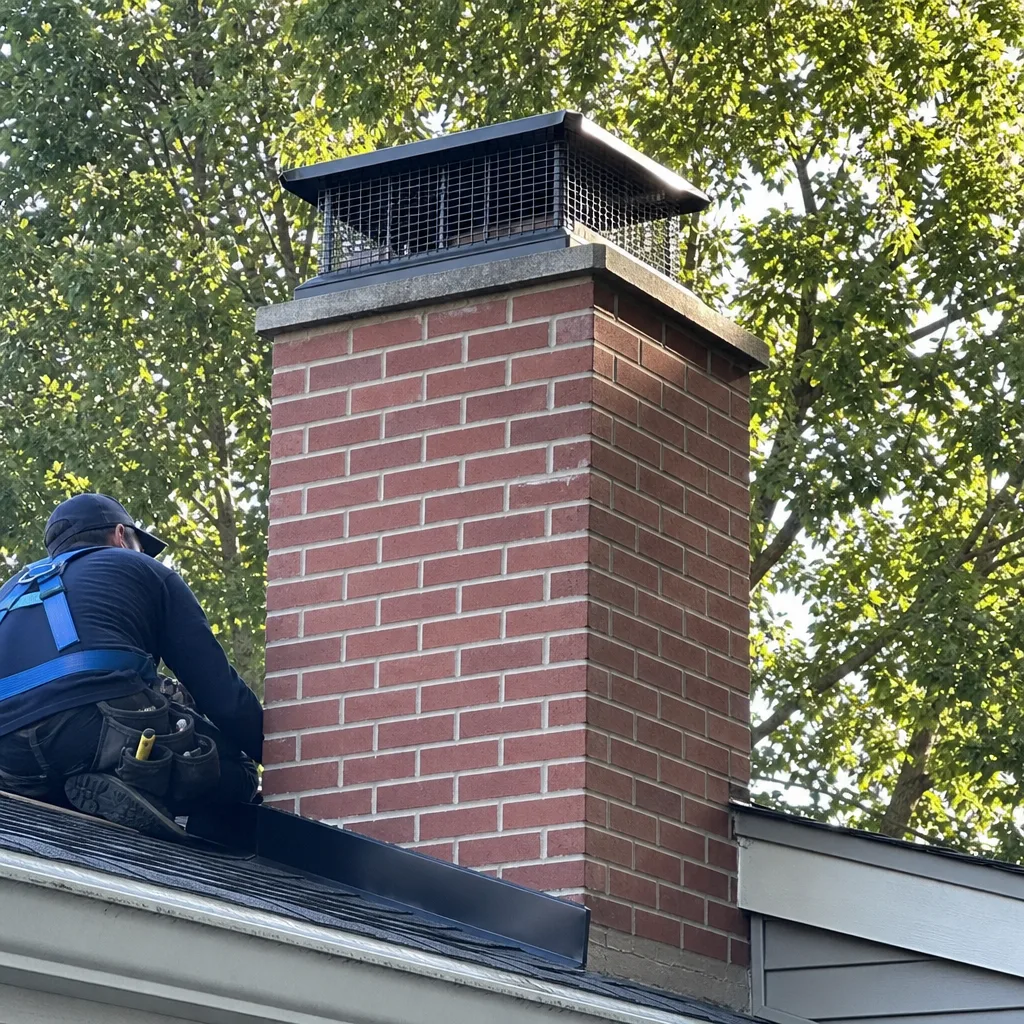
Level 1 sweep and inspection to the NFPA 211 annual standard - flue, crown, cap, and flashing checked and photographed
Chimney sweep logs do not sweep chimneys. They loosen some creosote - which then falls where a brush and vacuum still have to collect it.
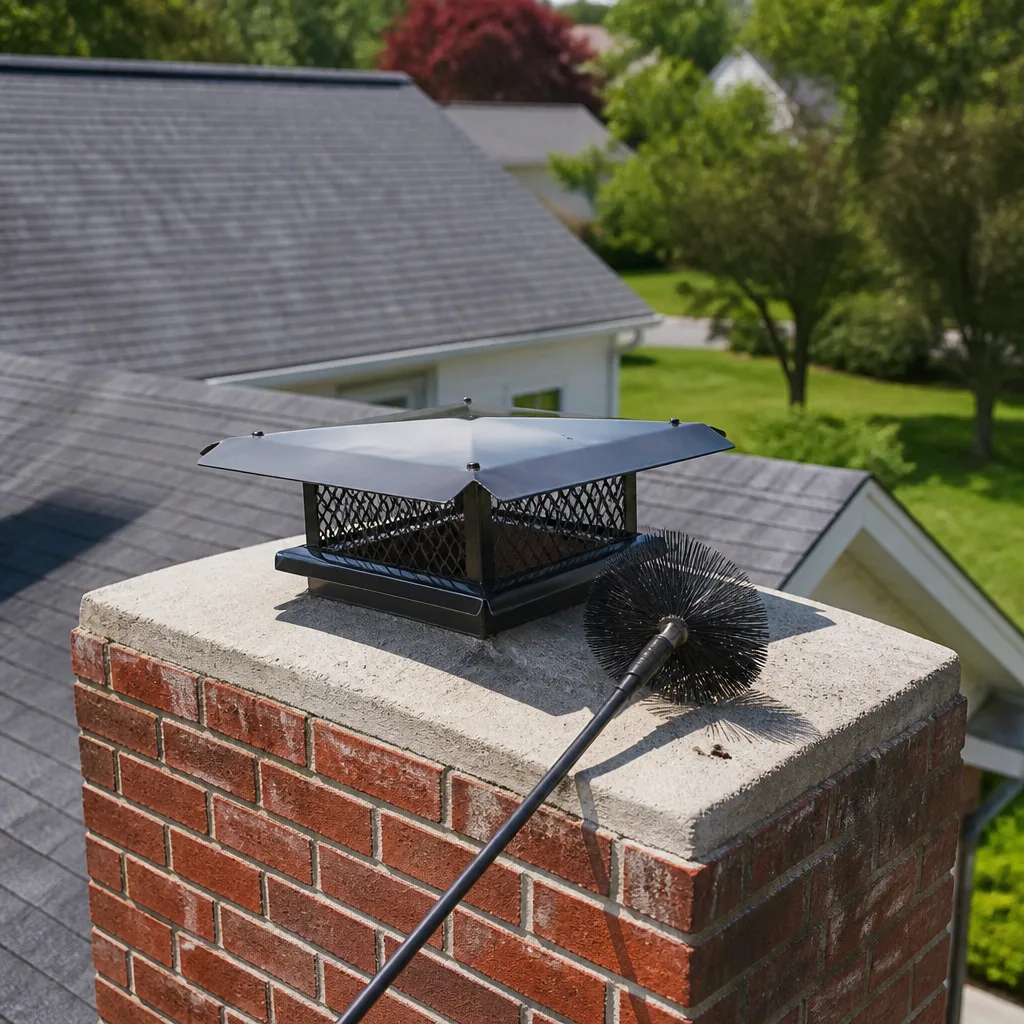
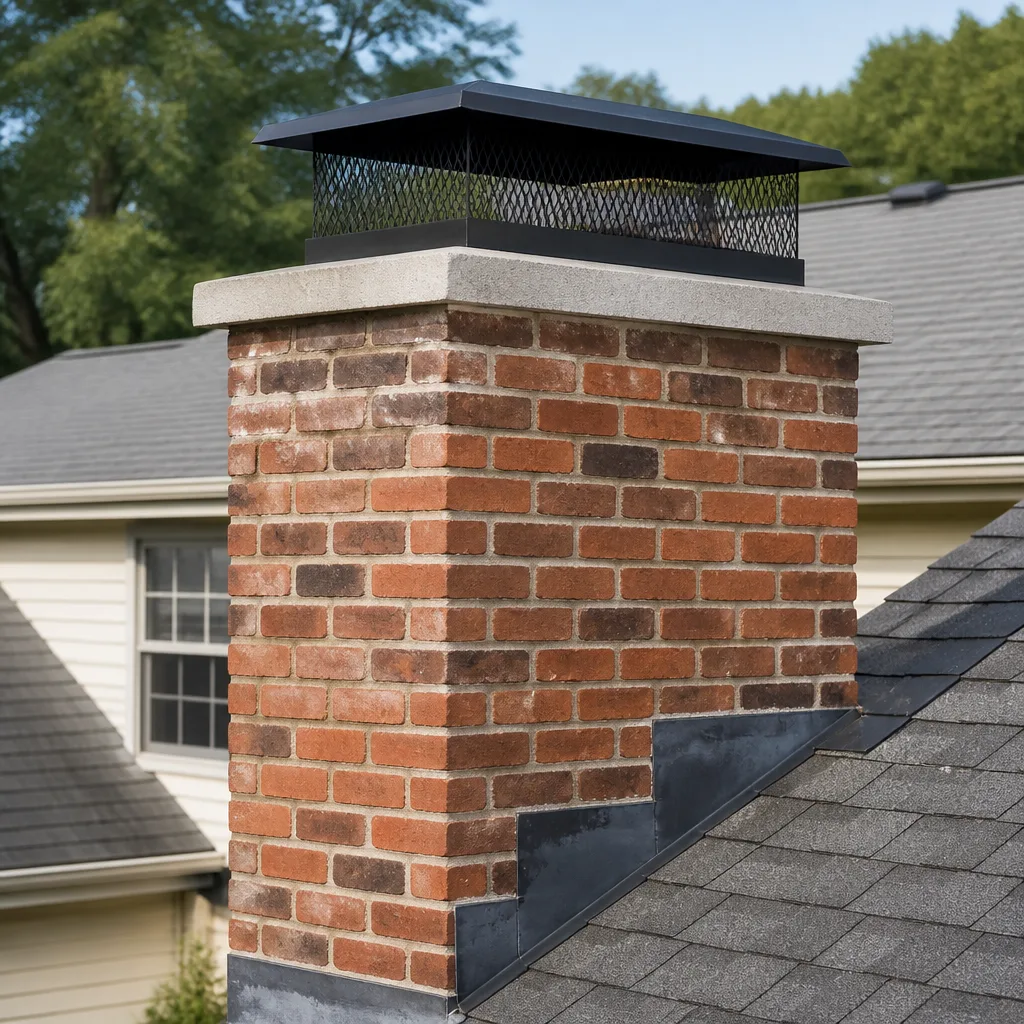
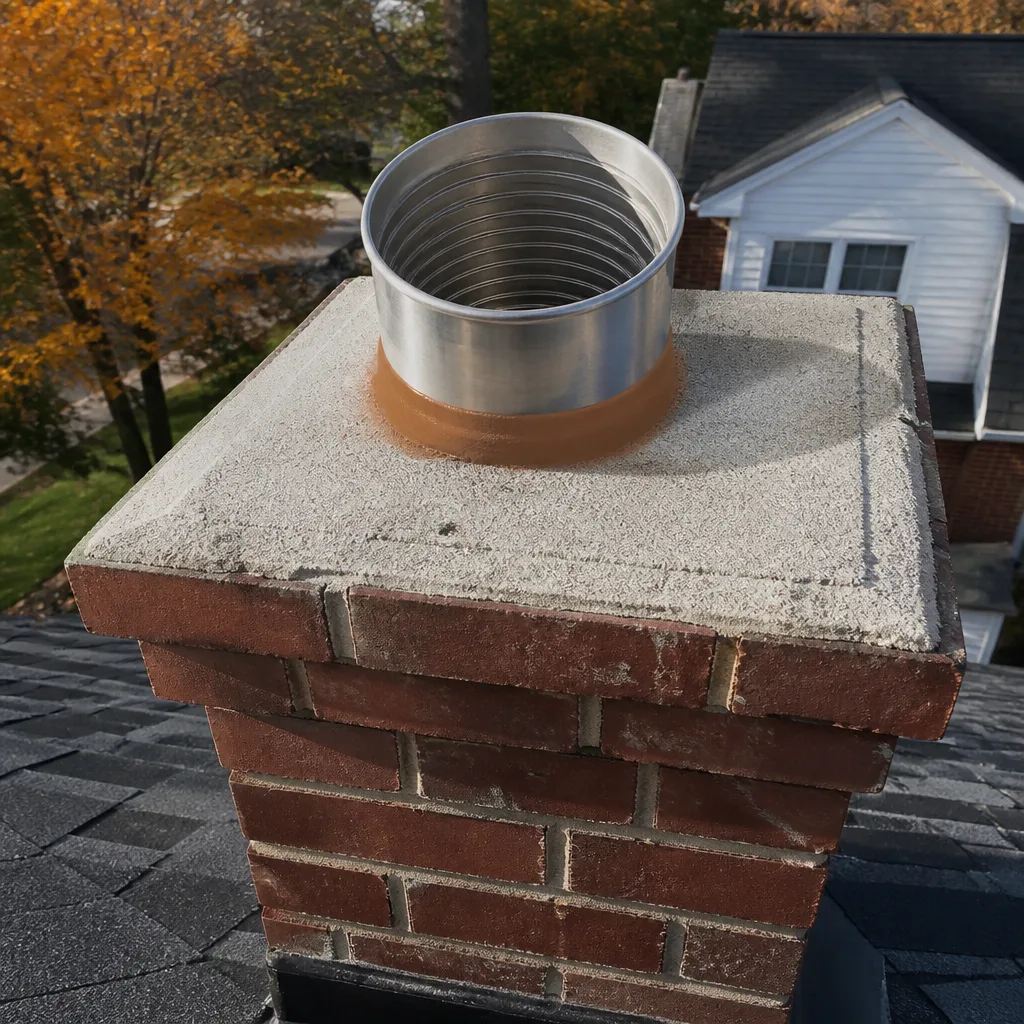
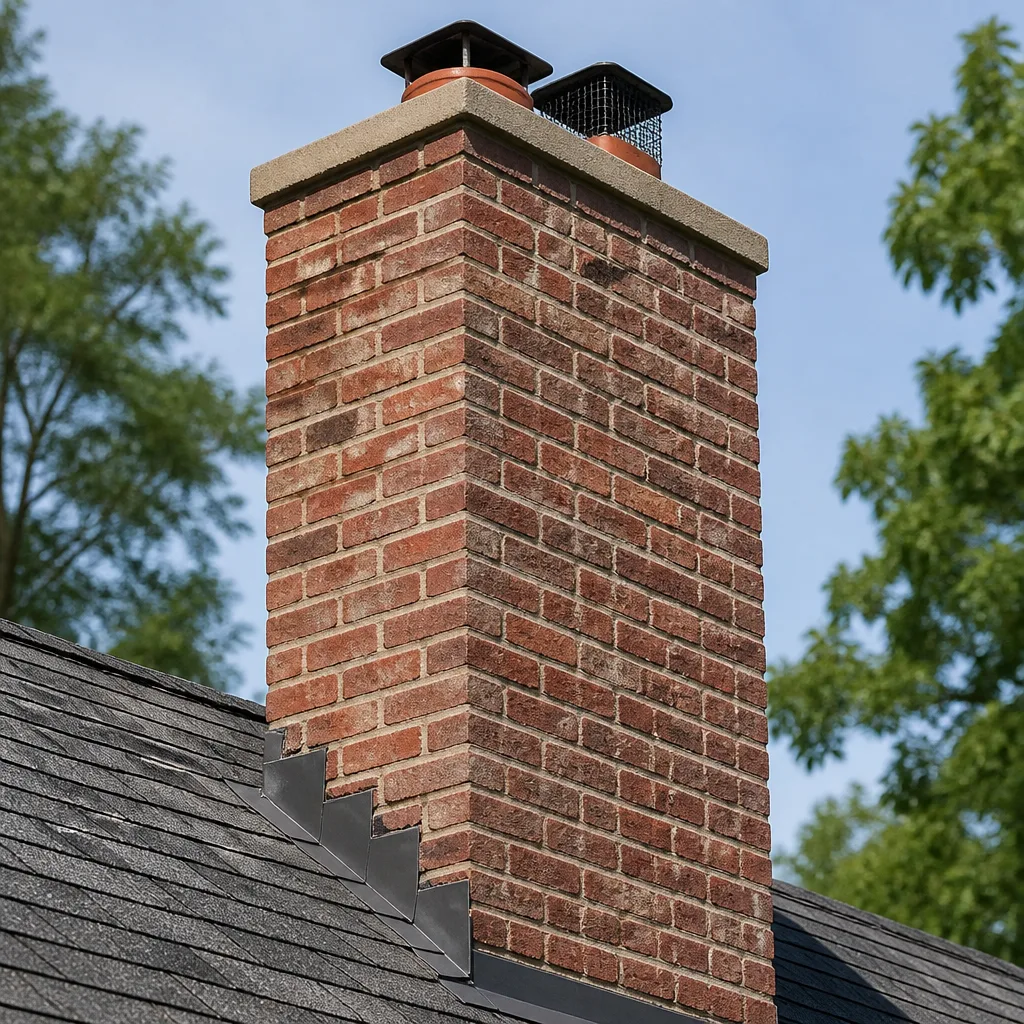
 Before
 After
After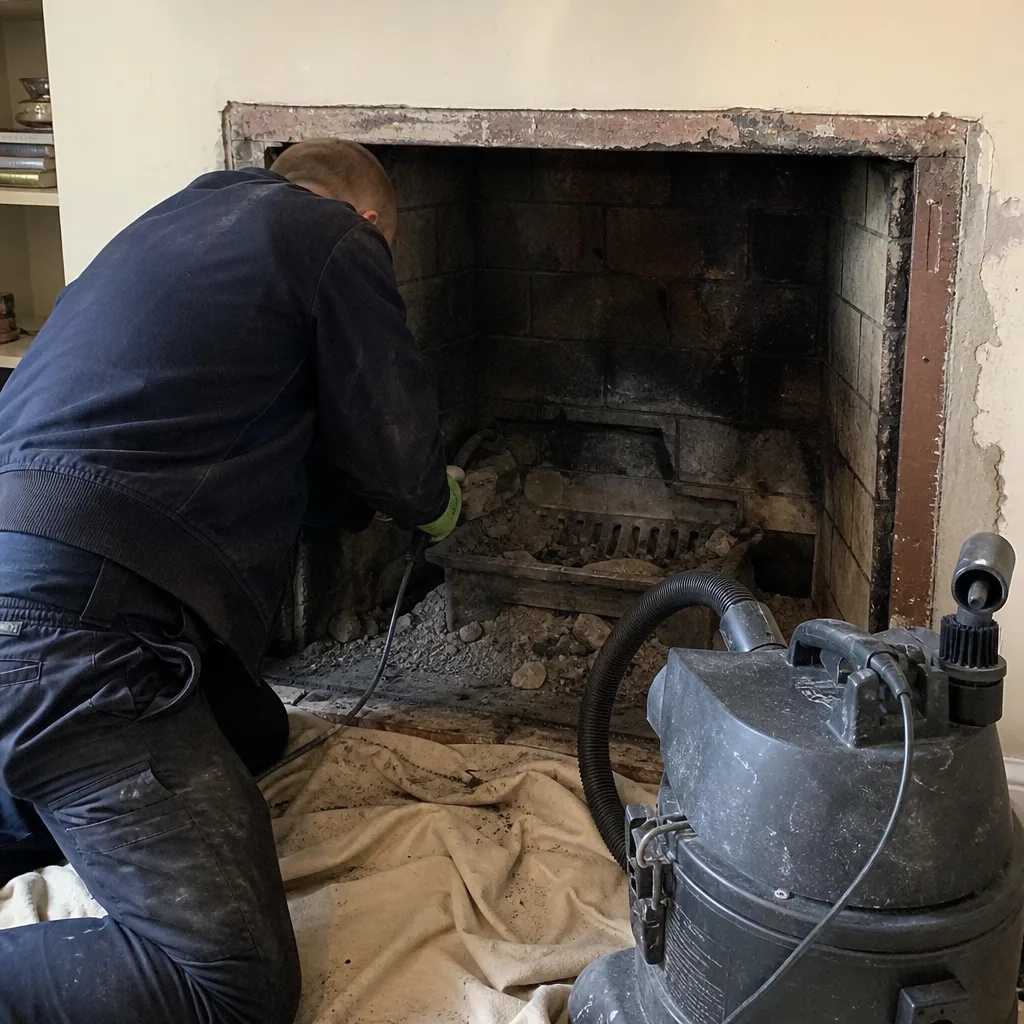 Before
 After
After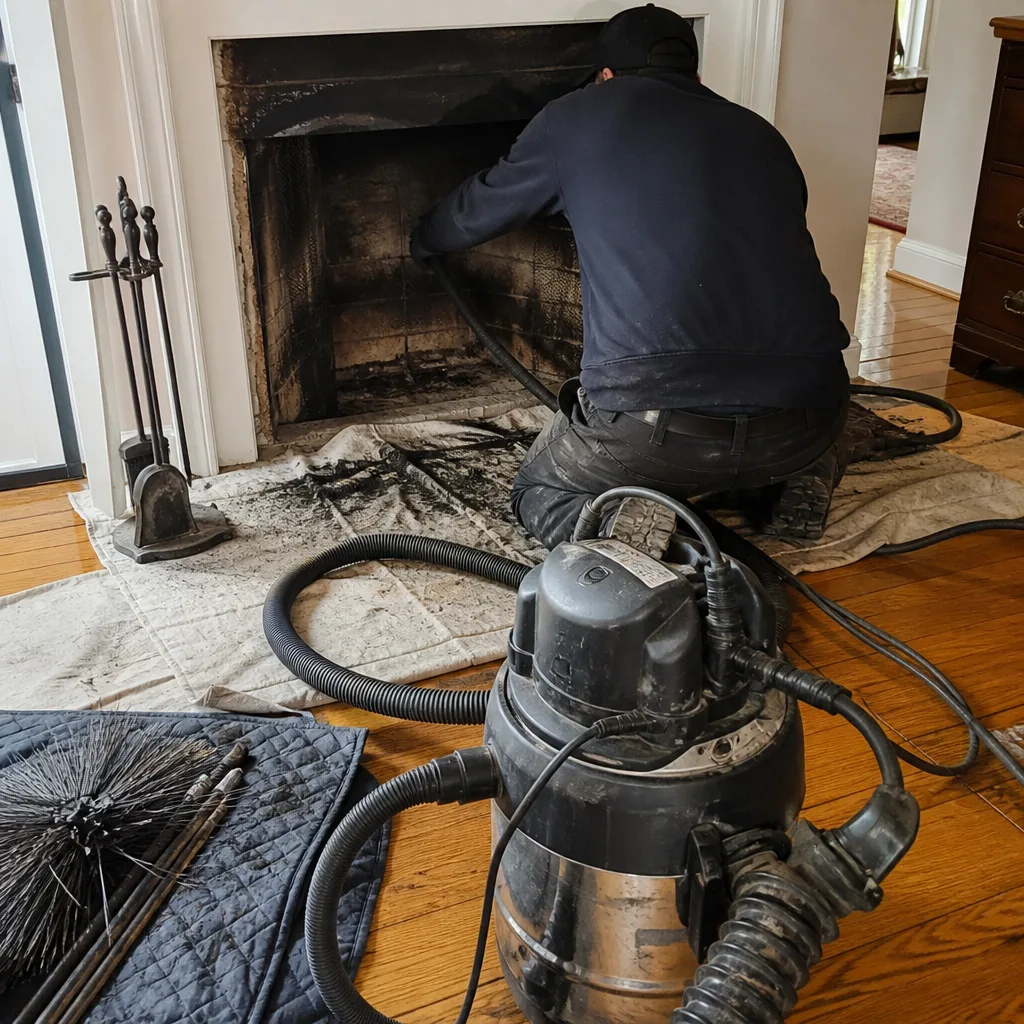 Before
 After
AfterChimney Cleaning Warning Signs: A Evanston Homeowner’s Reference Guide
White staining on your exterior brick and a strong smoke smell in an unused fireplace are both called “warning signs” in most chimney guides. But one is a slow moisture problem you can photograph and schedule, and the other can indicate negative pressure or a cracked flue liner that’s actively pulling combustion gases into your living space. Treating them the same way is how Evanston homeowners end up with a carbon monoxide problem they were warned about. In this guide, we’ll rank chimney warning signs by real urgency, explain what to photograph before calling anyone, and show you which symptoms demand a camera-scan inspection versus which can wait for your annual sweep. For more context, see our DIY vs Professional Chimney Cleaning: The Evanston Homeowner’s Decision Guide.
Quick Answer
The most serious chimney warning signs in Evanston homes are: visible creosote buildup thicker than 1/8 inch, smoke entering rooms instead of exiting the flue, and a persistent sulfur or rotten-egg odor when the fireplace is not in use. These require stopping use and scheduling a Level 2 camera inspection within days. Less urgent signs include exterior efflorescence (white powder), minor rust streaking on north-facing brick, and faint smoke odors during humid summer months, which can be documented and addressed at your next scheduled cleaning.
Table of Contents
- The Three Urgency Tiers: Stop-Using, Inspect-Within-30-Days, and Monitor-and-Document
- Evanston-Specific Warning Signs the National Guides Miss
- What to Photograph Before the Sweep Arrives
- What Flashlight Inspections Miss That Camera Scans Find
- How to Document Warning Signs for Insurance Purposes
- Common Mistakes to Avoid
- When to Call a Professional
- Frequently Asked Questions
 Before
 After
AfterThe Three Urgency Tiers: Stop-Using, Inspect-Within-30-Days, and Monitor-and-Document
Most chimney warning sign guides create panic without priority. We’ve cleaned and inspected more than 38,000 chimneys since 2009, and the pattern is consistent: homeowners either ignore everything until something breaks, or they treat every stain like an emergency. Neither approach serves you. Here’s how we classify symptoms in Evanston homes.
Tier 1: Stop Using Immediately - Schedule Camera Inspection Within 48-72 Hours
These signs indicate active hazards that can escalate to chimney fires or carbon monoxide intrusion.
- Smoke spilling into the room during normal operation. This means combustion gases are not exiting the flue. Causes include blocked flue, cracked liner, or negative pressure in tightly sealed modern homes. Stop using the appliance. Open windows for ventilation. Call for a Level 2 inspection.
- Visible tar-like glaze (Class III creosote) on damper or firebox walls. This is ignitable at temperatures as low as 451°F. Normal fires reach 1,100°F. The math is obvious.
- Sulfur or rotten-egg odor when fireplace is not in use. In Evanston’s older homes near the lake, this often signals a cracked flue liner combined with negative air pressure pulling sewer gas or combustion byproducts down the flue. This is not a cleaning issue. It’s a liner integrity and venting issue.
- Debris or animal nesting material visible from below. Partial blockages create backdrafting. We’ve found squirrel nests, raccoon bedding, and collapsed liner fragments blocking flues in Evanston chimney cleaning calls.
- Hot exterior wall or mantel surface during fire. Heat transfer through cracked masonry or missing liner sections can ignite adjacent framing. This is a structure fire waiting for the right night.
Tier 2: Inspect Within 30 Days - Schedule Around Your Calendar, But Don’t Defer Indefinitely
These indicate developing problems that worsen with weather cycles and use.
- White powdery staining (efflorescence) on exterior brick. Soluble salts pulled through masonry by moisture. In Evanston, this accelerates during spring thaw when lake-effect humidity meets freeze-thaw cycling. It signals water intrusion that degrades mortar joints and will eventually spall (flake) brick faces.
- Rust streaking on metal components or down-facing brick. Indicates chronic moisture. On north-facing walls in Evanston, this persists longer because those surfaces stay shaded and damp. The rust itself isn’t dangerous, but the moisture causing it damages liners and dampers.
- Cracked or missing mortar between firebox bricks. Heat escapes into surrounding structure. Repairable with refractory mortar or HeatShield cerfractory foam, but the crack width and location determine method.
- Damper that sticks, won’t fully open, or won’t fully close. Often creosote buildup or rust. A stuck-open damper wastes energy; stuck-closed risks smoke spillage.
- Minor water staining on ceiling near chimney penetration. Flashing, crown, or cap issue. Document with photos and schedule during dry weather for proper repair.
Tier 3: Monitor and Document - Address at Next Scheduled Cleaning
These are observations to track, not emergencies.
- Faint smoke odor during humid summer months. Common in Evanston when lake humidity interacts with residual soot. Note the date and humidity level. If odor persists into dry fall weather, upgrade to Tier 2.
- Small hairline cracks in exterior crown (less than 1/16 inch). Monitor annually. Seal before they widen enough to admit water.
- Slight discoloration of firebox brick (normal aging). Differentiate from glaze by texture: aging is matte and uniform; creosote is glossy, sticky, or bumpy.
- Minor soot fall (small black flakes) when opening damper. Normal accumulation. If flakes are larger than a quarter or accompanied by debris, upgrade to Tier 1.
Evanston-Specific Warning Signs the National Guides Miss
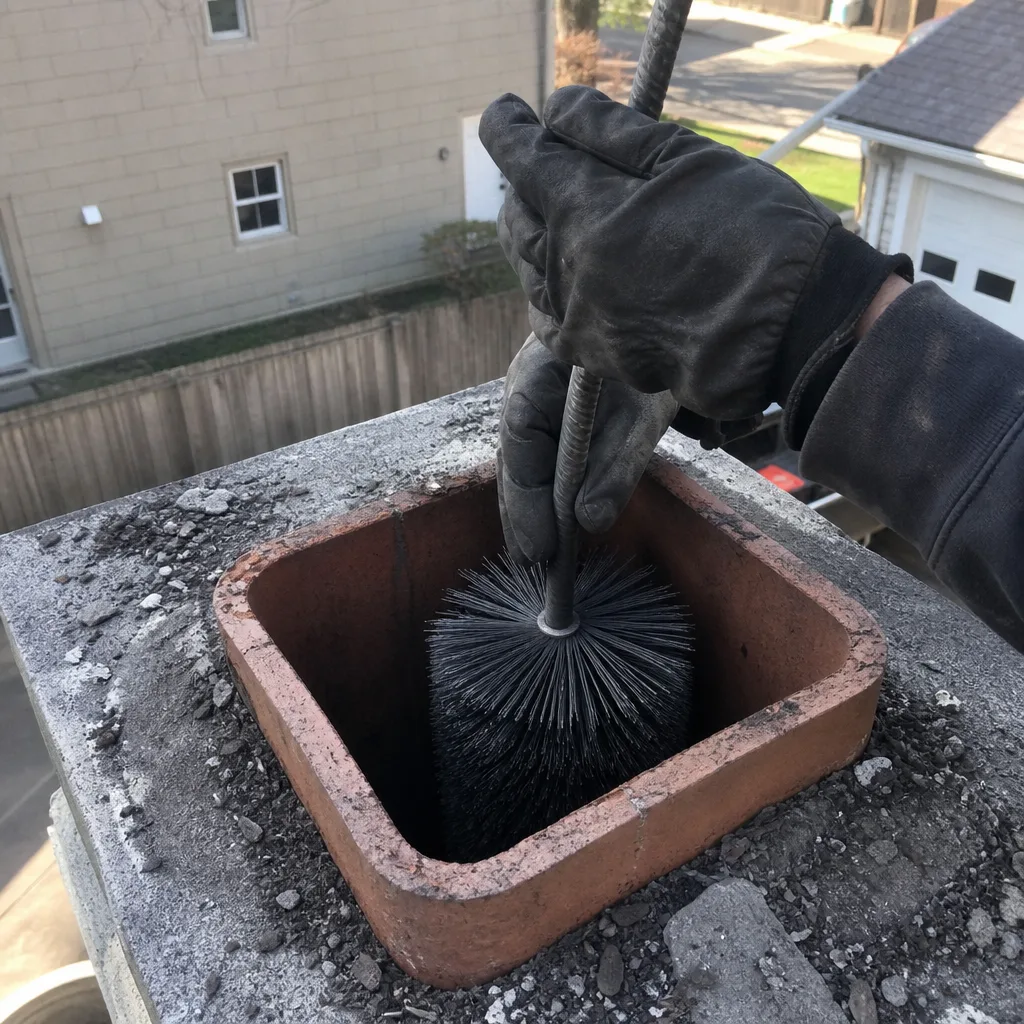
National chimney guides assume a generic climate. Evanston’s lakefront location, freeze-thaw cycles, and housing stock create distinct patterns we’ve documented across thousands of local inspections.
Rust Streaking on North-Facing Brick
Evanston homes with chimneys on the north side of the roof show accelerated rust staining compared to identical construction facing south. The mechanism is simple: north-facing surfaces receive no direct winter sun, so moisture from snow, ice, and lake-effect humidity lingers for weeks. Cap fasteners, flashing nails, and galvanized steel components corrode faster. The rust runs down brick faces, staining masonry that was never designed to handle repeated acid exposure.
In neighborhoods like Level Two Chimney Evanston home territory near the lake, we’ve replaced caps after 7-8 years that lasted 15+ in south-facing installations inland. The warning sign isn’t the rust itself. It’s the moisture cycle causing it, which also degrades flue liners and mortar joints you cannot see from outside.
Firebox Odor Patterns Tied to Lake Humidity
Evanston homeowners report smoke odors most frequently in July and August, when dew points climb above 65°F and lake breezes push humid air down chimneys. This is distinct from the sulfur odor of Tier 1. Humidity-activated odor smells like old campfire, not rotten eggs. It typically dissipates when humidity drops.
The diagnostic question: does the odor persist when you run a dehumidifier near the fireplace for 48 hours? If yes, you may have a partial blockage or liner damage creating a reservoir for moisture-trapped soot. If no, it’s residual particulate matter activated by weather. Document the pattern. We’ve had Evanston clients track this for two seasons and discover their odor correlated with specific wind directions off the lake, indicating a cap or crown defect that only failed under certain conditions.
Freeze-Thaw Spalling in Pre-War Masonry
Evanston’s housing stock includes thousands of brick chimneys built before 1940 with soft, porous brick and lime-based mortar. These absorb more moisture than modern hard-fired brick. When temperatures cycle above and below freezing 40+ times per winter, the expansion of freezing water flakes brick faces (spalling). We’ve documented this most heavily in southeast Evanston near the original streetcar suburbs, where chimneys were built with Chicago common brick, a particularly absorbent local material.
Spalling looks like pockmarks or flaking on brick surfaces. It’s not immediately dangerous, but it exposes fresh masonry to accelerated degradation. Once spalling exceeds 1/4 inch depth on more than 10% of exposed brick faces, structural evaluation is warranted. We use Olympia Chimney materials for rebuilds in these historic properties because their brick matching program accommodates the color variation of Chicago common brick.
Negative Pressure in Tightened Vintage Homes
Evanston’s energy retrofit programs have sealed thousands of older homes with spray foam, weatherstripping, and high-efficiency HVAC. The unintended consequence: houses that once breathed through gaps now develop negative pressure that pulls air down chimneys instead of allowing natural draft. The warning sign is a cold draft from the fireplace when no fire is burning, sometimes accompanied by odors from the flue.
This is a building science problem, not a chimney defect. But the chimney bears the symptom. A camera scan confirms liner integrity; then we work with HVAC contractors to evaluate makeup air strategies. We’ve seen this in dozens of Evanston homes that passed all standard chimney inspections but failed to function safely after weatherization.
What to Photograph Before the Sweep Arrives
A documented baseline helps technicians, protects you in disputes, and creates evidence for insurance if damage progresses. Here’s what to capture and how.
Exterior Documentation
- Full chimney from ground level. Stand back far enough to capture the entire structure against the sky. Take this in morning or late afternoon light, not midday overhead sun that washes out contrast.
- Close-up of crown and cap. Use optical zoom, not digital zoom. Capture the gap between cap base and flue tile, crown surface texture, and any cracking pattern.
- All four sides of brickwork. North-facing sides need extra attention for rust and efflorescence. Photograph any stained or spalled areas with a coin or ruler for scale.
- Roofline and flashing. From a safe position on the ground or a secured ladder. Never photograph from an unsecured roof. Capture where flashing meets brick and where it meets roofing material.
- Ground-level evidence. Brick fragments, rust flakes, or white efflorescence powder at the chimney base. This debris tells a story about what’s happening above.
Interior Documentation
- Firebox with damper fully open and fully closed. Two separate photos. Shows damper condition and the throat area above it.
- Firebox walls and floor. Use your phone’s flash. Capture the full surface, not just the center. Look for glossy patches (creosote glaze), cracked brick, or missing mortar.
- Smoke chamber (if visible). Shine light up from the firebox. The smoke chamber is the area above the damper, below the flue. Corbelled brick or parged surfaces should be visible. Document any gaps or fallen material.
- Hearth extension and surround. Discoloration, cracking, or gaps between hearth and flooring indicate heat escape or settlement.
- Ceiling around chimney penetration. Any staining, even faint, with the date noted.
Metadata That Matters
Enable location services on your phone camera so EXIF data includes GPS coordinates. Email the full-resolution images to yourself with a subject line like “Chimney condition [date]” to establish a timestamp. If you later need to demonstrate progression for insurance, this metadata is admissible evidence.
When our technicians arrive for a chimney cleaning and sweep in Evanston, we compare your photos to our camera footage. The baseline often reveals whether a crack is new or stable, whether staining is spreading, and whether our findings match your observations. Clause 4 of the Haven Standard requires our photo record on every job; your baseline photos make that record more useful.
What Flashlight Inspections Miss That Camera Scans Find
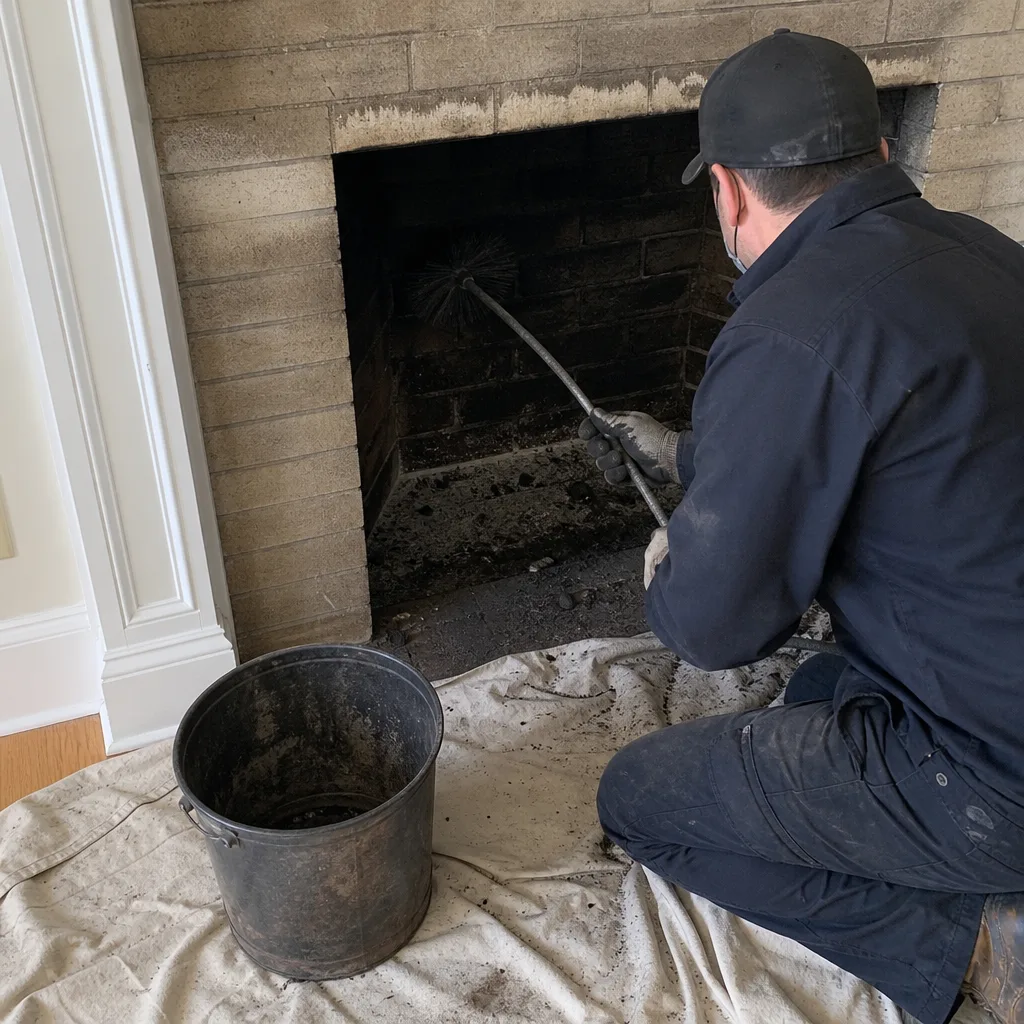
The NFPA 211 defines three inspection levels. Level 1 is a visual inspection with a flashlight, accessible without tools. Level 2 requires camera scanning of the flue interior. Most chimney companies in Evanston still sell Level 1 inspections as sufficient. They’re not, for warning sign diagnosis.
Here’s what we’ve found with camera scans that flashlight inspections missed, with real examples from our 38,000+ inspections.
Stage 2-3 Creosote Glaze Location
Flashlight inspection from below can see the bottom few feet of flue. Creosote glaze often forms higher, where flue temperatures drop below 250°F and condensation occurs. In Evanston’s taller vintage chimneys, this can be 15-20 feet above the firebox. We’ve pulled down 1/2-inch glaze deposits from upper flue sections that looked clean from below. The location matters: glaze near the top is harder to remove and more likely to ignite from a chimney fire starting lower, where it has more time to preheat the deposit.
Camera footage shows the glaze’s color and texture. Stage 2 is flaky, puffy, and brown or black. Stage 3 is glossy, hardened, and often rainbows to amber or copper tones from repeated heating. We document the footage and show it to you before recommending removal method. Light Stage 2 may respond to mechanical sweeping. Stage 3 glaze often requires chemical treatment or rotary removal with chains or whips.
Liner Cracks Above the Smoke Chamber
The smoke chamber is the transition area above the damper, where fireplace dimensions narrow to flue dimensions. In many Evanston homes built before 1960, this area was constructed with corbelled brick and never lined. Even where clay flue tiles were installed, they often start above the smoke chamber, leaving a gap.
Camera scans reveal cracks in liner tiles just above this transition, where thermal stress concentrates. These cracks are invisible from below because the smoke chamber’s corbelled brick blocks the view. They’re also invisible from above without dismantling the chimney. We’ve found cracks in this location that had been leaking combustion gases into the smoke chamber and surrounding structure for years, undetected by annual “inspections” that never included a camera.
The repair depends on crack pattern. Single longitudinal cracks in otherwise sound tile may be repairable with HeatShield cerfractory foam, which we pump to fill voids and create a smooth, insulated surface. Multiple cracks, offset tiles, or missing sections require liner replacement with stainless steel or DuraFlex relining pipe.
Offset Joint Failures
Clay flue tiles are installed in sections, with each section overlapping the one below like a chimney pot. Where chimneys offset to avoid framing (common in Evanston’s balloon-framed Victorians), these joints experience shear stress. Over decades, the joint can separate, creating a gap that spills combustion gases into the chimney cavity.
A flashlight shows you the bottom of the offset, not the joint itself. A camera pushed through the offset reveals whether the joint is intact, separated, or mortar-filled (a common but non-code-compliant “repair” we’ve encountered). Separated offset joints require relining; mortar patching is not an approved repair under NFPA 211 because it cannot accommodate thermal expansion.
Missing or Deteriorated Mortar Between Flue Tiles
Even where tiles are intact, the mortar between them can fail. Camera scans show light leaking through joints, indicating gaps that bypass the flue’s intended path. This is common in Evanston chimneys with 80+ year old installations, where original lime mortar has degraded. The symptom is often poor draft or smoke spillage under certain wind conditions, intermittent enough that homeowners dismiss it as “just a windy day problem.”
How to Document Warning Signs for Insurance Purposes
Chimney damage claims are among the most disputed in homeowner insurance. Carriers routinely deny claims for “lack of maintenance” or “pre-existing condition.” Proper documentation changes outcomes.
What Adjusters Require
Insurance adjusters need to establish three facts: the condition existed, the condition was documented before the claimed event, and the claimed event caused new damage rather than revealing old damage. Your documentation should address each.
Timestamped photographs. As described above, with EXIF metadata preserved. Screenshots lose metadata; original files from your phone camera do not.
Written inspection reports. If you’ve had any prior chimney service, the report is evidence of baseline condition. This is why Clause 4 of the Haven Standard requires a documented photo record on every job. We’ve had Evanston clients use our reports from five years prior to prove that a crack was hairline then and structural now, converting a denial into coverage.
Weather records correlated to damage dates. For freeze-thaw spalling, document the temperature cycles. For wind-driven rain intrusion, note wind speed and direction. NOAA maintains historical data for Evanston through O’Hare and Chicago Executive Airport records.
Professional assessment with written scope. After damage occurs, a written repair scope from a qualified chimney professional carries weight. Our scopes include: observed condition, recommended repair method, materials specified by brand (DuraFlex, HeatShield, Gelco, Olympia Chimney as appropriate), and estimated cost. We do not begin work until you approve the scope in writing, per Haven Standard Clause 1.
The Documentation Sequence That Works
- Photograph warning signs when first observed, with date noted.
- Schedule inspection within appropriate urgency tier. Request written report with photo record.
- If damage progresses, re-photograph from identical angles. Compare to baseline.
- Before any claimed event (fire, collapse, water damage), ensure you have professional documentation of pre-existing condition.
- After event, photograph immediately before cleanup. Call for assessment within 24 hours if possible.
We’ve provided expert documentation for Evanston homeowners in disputes with multiple insurance carriers. The pattern is consistent: the homeowner with dated photos and professional reports prevails; the homeowner with verbal recollections does not.
Common Mistakes to Avoid
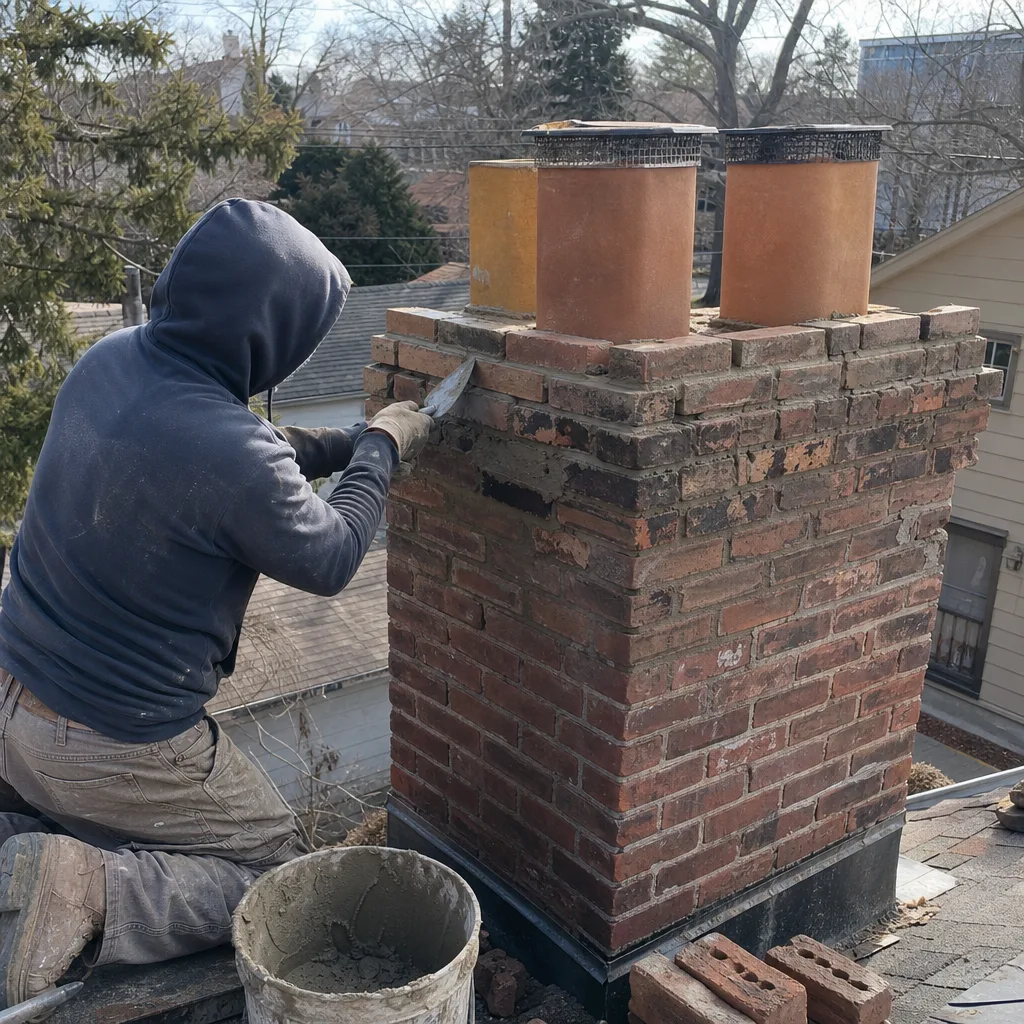
- Assuming a clean firebox means a clean flue. The visible firebox is 10% of the system. We’ve found heavy glaze in flues with spotless fireboxes because homeowners cleaned what they could reach and assumed the rest matched.
- Treating all odors as “just chimney smell.” In Evanston’s lake-humidity climate, seasonal odor is common. But sulfur, chemical, or plastic-burning odors indicate combustion byproduct intrusion or liner damage. Learn the difference, or call for assessment.
- Accepting a flashlight inspection after reporting warning signs. If you called because of symptoms, a Level 1 visual inspection is insufficient. The signs that prompted your call are likely in areas a flashlight cannot reach. Insist on NFPA 211 Level 2 with camera scan.
- DIY creosote removal with hardware store tools. Wire brushes sold for homeowner use can damage clay flue tiles, scratch stainless liners, and leave more debris than they remove. More critically, they cannot address glaze above the first few feet. Mechanical sweeping requires proper equipment and technique; chemical treatments require knowledge of which product matches which creosote stage.
- Waiting for “burning season” to address spring discoveries. Chimney professionals are booked solid October through December in Evanston. A warning sign discovered in April can be addressed in May with scheduling flexibility and often better pricing. The same sign addressed in October competes with every other homeowner who waited.
- Ignoring north-facing rust because “it’s just cosmetic.” In Evanston, persistent north-face moisture degrades mortar joints that support liner stability. The rust is a symptom. The moisture causing it is the disease, and it progresses whether you find it attractive or not.
- Not requesting documentation of “no findings.” A clean inspection is still an inspection. The written report with photo record proves your diligence if damage develops later. We’ve seen carriers deny claims because the homeowner “never had it inspected” when they had, but produced no paperwork.
When to Call a Professional
Call when any Tier 1 sign appears: smoke in rooms, sulfur odor, visible glaze, or hot exterior surfaces. Stop using the appliance first, then call. For Tier 2 signs, schedule within 30 days, sooner if weather is turning. For Tier 3, document and address at your next cleaning, but don’t let “monitor” become “ignore for three years.” You can find more guides & resources on our blog to help track and prioritize maintenance.
Chimney repair in Evanston requires understanding local conditions: lake humidity, freeze-thaw cycles, and the specific masonry and liner issues common to our housing stock. Level Two Chimney Evanston offers free estimates in Evanston. Call (708) 234-1174. A live person answers, 24 hours a day. We’ll ask about your symptoms, suggest the appropriate urgency tier, and schedule a Level 2 camera inspection if warranted. Every estimate is written, with scope and price, before any work begins. Every job includes a documented photo record under Haven Standard Clause 4. And our 365-Day Done Right Promise means if it’s not done right, we make it right.
Frequently Asked Questions
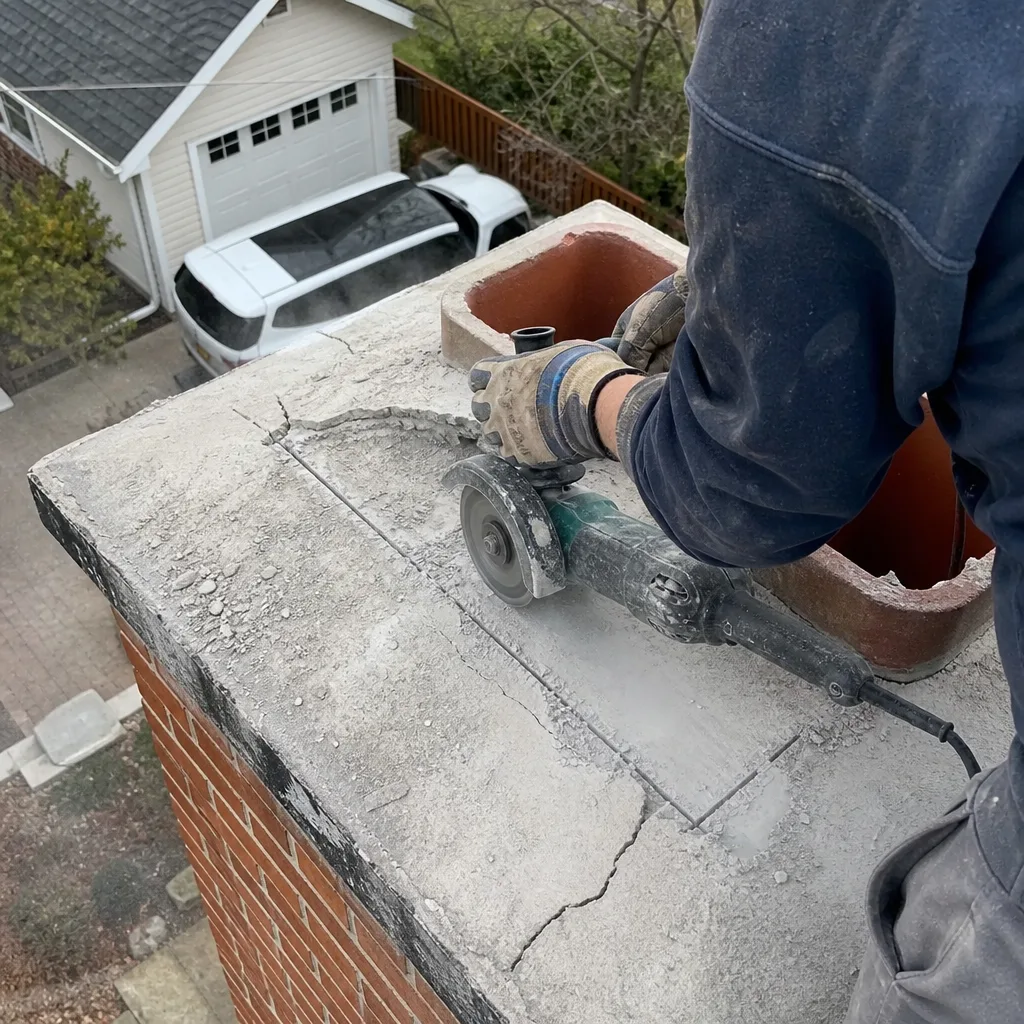
A standard chimney cleaning and sweep in Evanston typically runs $199-$289 for a single-flue system with standard creosote accumulation. This includes the NFPA 211 Level 2 camera inspection and documented photo record under Haven Standard Clause 4. Heavy creosote (Stage 3 glaze), multiple flues, or accessibility complications may increase the scope. We deliver a written price before any work starts, always. Call (708) 234-1174 for an exact quote - estimates are free.
You need a new liner when the existing one is damaged beyond repair or absent entirely. Common indicators: visible cracks in clay tile (confirmed by camera), missing mortar between tiles, or no liner in a pre-1940 chimney. In Evanston, we’ve also found that original clay liners in lake-humidity environments degrade faster than inland equivalents. We don’t recommend replacement without camera evidence you can see. If another company quoted liner replacement, bring us their written estimate - our Free Second Opinion applies. Call (708) 234-1174.
NFPA 211 recommends annual inspection, with cleaning frequency determined by use and fuel. A wood-burning fireplace used as primary heat source may need sweeping after every cord of wood burned. Occasional weekend fires might stretch to every 2-3 years if inspection shows minimal accumulation. In Evanston, we recommend annual inspection for all systems because lake humidity accelerates liner and metal component degradation even with light use. The inspection determines whether cleaning is needed; we don’t sell cleaning to systems that don’t require it.
Three outcomes, in order of probability: gradually worsening draft and efficiency, requiring more fuel for less heat; moisture intrusion causing spalling, liner degradation, and eventual structural repair needs; or chimney fire from ignited creosote, with potential extension to roof and structure. Carbon monoxide intrusion from cracked liners is less common but more lethal. The cumulative cost of deferred maintenance typically exceeds scheduled maintenance by 3-5x in our Evanston records. Call (708) 234-1174 to schedule before burning season.
Lake humidity activates residual soot and creosote odors that winter’s dry heated air does not. The smell is usually normal, but persistence into fall or presence of sulfur/rotten-egg character indicates a problem. Try running a dehumidifier near the fireplace for 48 hours. If odor persists, schedule inspection. We’ve traced summer-only odors in Evanston homes to cracked crowns that only leaked during specific wind directions off the lake, a pattern you’d never detect in winter. Call (708) 234-1174 if you’re unsure - we’re happy to discuss symptoms by phone.
A sweep is the physical removal of creosote, soot, and debris. An inspection is the evaluation of system condition. They’re related but distinct. You can inspect without sweeping (if system is clean) and sweep without inspecting (though we consider that incomplete service). Our standard visit includes both: NFPA 211 Level 2 inspection with camera scan, plus sweeping if accumulation warrants. The documented photo record covers inspection findings, not just “before and after” cleaning shots. For fireplace services in Evanston, we specify which components were inspected, which were cleaned, and which require future attention.
Request any documentation they have. In its absence, assume no maintenance and schedule a baseline inspection. We’ve inspected Evanston homes where the previous owner “never used the fireplace” - but the flue was packed with debris from decades of disuse, or the liner had collapsed from freeze-thaw damage. A baseline inspection with camera scan establishes your starting point. We date-stamp the photo record and can compare to future inspections to track condition. Call (708) 234-1174 to schedule - this is common for new homeowners and we know what to look for in inherited systems.
The Bottom Line
Chimney warning signs are not equally urgent. White efflorescence on your Evanston home’s north-facing brick and a sulfur odor from an unused fireplace are both called “warning signs,” but one can be photographed and scheduled while the other demands stopping use and calling for camera inspection within days. The difference is knowing what to look for, what to photograph, and what documentation protects you. We’ve completed more than 38,000 inspections and cleanings since 2009, every one with a written price before work started and a documented record when finished. For a full overview of proper chimney care, read The Complete Guide to Chimney Cleaning in Evanston. If you’re uncertain about a symptom, call. We’d rather discuss a false alarm than miss a hazard.
Written by Corrine Halstead, Owner at Level Two Chimney Evanston, serving Evanston since 2009.